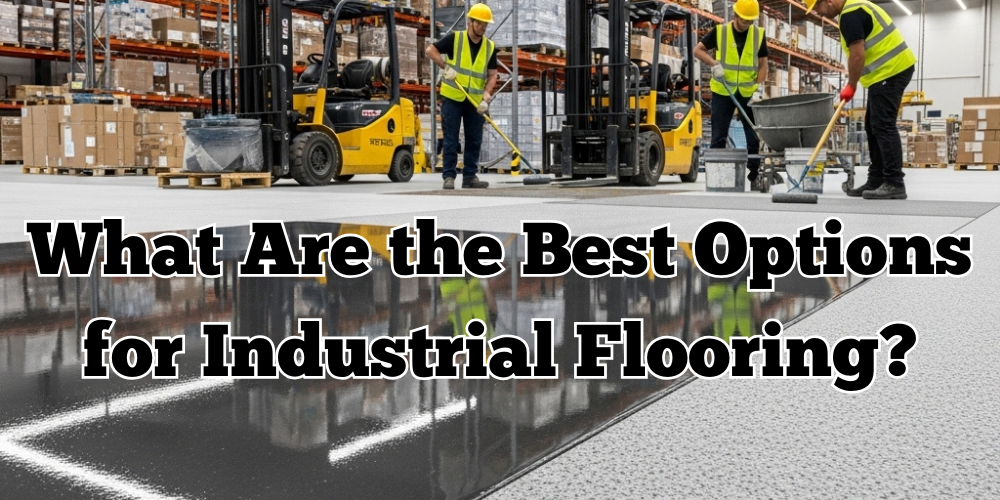
Choosing the right flooring for industrial spaces is more than just picking something that looks good. Industrial flooring must handle heavy traffic, resist chemicals, and provide safety for employees. From factories and warehouses to commercial workshops, the flooring you select can impact productivity, maintenance costs, and even workplace safety. In this guide, we’ll explore the best industrial flooring options and help you understand which material might be the right fit for your facility.
Why Industrial Flooring Matters
Industrial flooring isn’t just a surface to walk or drive on. It serves several critical functions:
-
Durability: Industrial floors must withstand heavy machinery, pallets, forklifts, and constant foot traffic.
-
Safety: Slip resistance, chemical resistance, and impact absorption are crucial to prevent accidents.
-
Maintenance: A good industrial floor is easy to clean, resistant to staining, and minimizes downtime.
-
Aesthetics and Branding: Flooring can reinforce a professional appearance, even in an industrial setting.
Choosing the wrong flooring can lead to frequent repairs, increased costs, and workplace hazards. That’s why knowing your options is essential.
1. Epoxy Flooring
Epoxy flooring is one of the most popular choices for industrial facilities. It’s a liquid polymer applied over concrete floors, which hardens into a durable, seamless surface.
Benefits of Epoxy Flooring:
-
Durable and Resistant: Epoxy can handle heavy machinery and high foot traffic.
-
Chemical Resistance: Ideal for factories and laboratories where chemical spills are common.
-
Easy to Maintain: The seamless surface makes cleaning simple.
-
Customizable Appearance: Available in different colors and textures to improve aesthetics or designate zones.
Best For: Warehouses, automotive workshops, chemical plants, and food processing areas.
2. Polished Concrete Flooring
Polished concrete is created by grinding and polishing a concrete slab until it reaches a smooth, shiny finish. It’s a simple yet highly effective industrial flooring solution.
Benefits of Polished Concrete:
-
Low Maintenance: Resistant to stains and easy to clean with basic equipment.
-
Cost-Effective: Long-lasting and requires minimal upkeep.
-
Environmentally Friendly: Uses existing concrete, reducing material waste.
-
Reflective Surface: Can improve lighting in large industrial spaces, reducing electricity costs.
Best For: Warehouses, distribution centers, and large manufacturing facilities.
3. Polyurethane Flooring
Polyurethane flooring is another high-performance option, often used where chemical and abrasion resistance is critical. Unlike epoxy, polyurethane has more flexibility and impact resistance.
Benefits of Polyurethane Flooring:
-
Impact and Abrasion Resistance: Ideal for areas with heavy machinery or dropping loads.
-
Chemical and UV Resistance: Maintains its appearance even in harsh conditions.
-
Slip-Resistant Options Available: Enhances worker safety in wet or oily environments.
Best For: Pharmaceutical plants, warehouses, and areas prone to spills or temperature fluctuations.
4. Vinyl Flooring
While vinyl is often associated with commercial spaces, heavy-duty vinyl options are suitable for industrial environments. Vinyl offers a softer feel underfoot, which can help reduce fatigue for workers who stand long hours.
Benefits of Vinyl Flooring:
-
Comfort and Safety: Reduces strain on workers’ feet and knees.
-
Water and Stain Resistant: Suitable for facilities with liquid handling.
-
Quick Installation: Can be installed over existing floors with minimal downtime.
-
Customizable: Available in a variety of colors and patterns.
Best For: Laboratories, clean rooms, hospitals, and industrial kitchens.
5. Concrete Sealers and Coatings
Sometimes the most effective solution isn’t a full flooring system but enhancing existing concrete with sealers or coatings. These treatments protect against wear, chemical damage, and staining while improving appearance.
Benefits of Concrete Sealers:
-
Cost-Effective: Less expensive than full flooring replacement.
-
Protective Layer: Increases lifespan of concrete surfaces.
-
Variety of Finishes: Glossy, matte, or textured finishes are possible.
Best For: Facilities on a tight budget or with already well-maintained concrete.
6. Rubber Flooring
Rubber is often overlooked but can be ideal for areas requiring impact absorption and noise reduction. Industrial-grade rubber is tough enough for factories while providing a safer and quieter environment.
Benefits of Rubber Flooring:
-
Slip-Resistant: Great for wet or oily areas.
-
Shock Absorption: Protects workers and equipment from falls and impacts.
-
Noise Reduction: Helps maintain a quieter workplace.
-
Easy Maintenance: Resistant to stains and simple to clean.
Best For: Workshops, gyms in industrial complexes, and loading docks.
Key Factors to Consider Before Choosing Industrial Flooring
Selecting the best industrial flooring depends on several factors:
-
Traffic Load: Determine whether the floor will handle foot traffic, forklifts, or heavy machinery.
-
Chemical Exposure: Facilities with chemicals require highly resistant surfaces like epoxy or polyurethane.
-
Maintenance Requirements: Consider whether you need low-maintenance solutions like polished concrete or are prepared for regular upkeep.
-
Safety Features: Slip-resistant surfaces are critical in wet or oily environments.
-
Budget: High-performance flooring may require a larger upfront investment but saves money in the long term.
-
Aesthetics: Even industrial spaces benefit from clean, professional-looking flooring.
Conclusion
The best industrial flooring balances durability, safety, maintenance, and cost. Epoxy, polished concrete, polyurethane, vinyl, concrete coatings, and rubber all have unique advantages, making them suitable for specific industrial environments. By understanding your facility’s needs and evaluating traffic, chemical exposure, and safety requirements, you can choose a flooring solution that lasts for years and keeps your workplace efficient and safe.
Investing in the right industrial flooring is more than just a construction decision—it’s a long-term strategy for productivity, safety, and aesthetics. Whether you’re upgrading a warehouse, factory, or workshop, selecting the right flooring system ensures a reliable, low-maintenance, and professional environment. Lakhwa Chemical Services
Faqs
1. What is the most durable industrial flooring?
Epoxy and polished concrete are among the most durable options. They can withstand heavy machinery, high foot traffic, and chemical spills, making them ideal for warehouses and factories.
2. How much does industrial flooring cost?
The cost varies by material. Epoxy flooring can range from $3 to $12 per square foot, polished concrete $2 to $10, and polyurethane or rubber floors may be higher depending on thickness and installation.
3. Can industrial flooring be slip-resistant?
Yes. Many industrial flooring options, including epoxy, polyurethane, and rubber, can be finished with textured surfaces or anti-slip coatings to enhance worker safety.
4. How long does industrial flooring last?
Properly installed and maintained industrial floors can last 10–20 years or more. Epoxy and polished concrete are especially long-lasting with minimal upkeep.
5. Is industrial flooring easy to maintain?
Most industrial floors are designed for low maintenance. Epoxy, polished concrete, and polyurethane are easy to clean, resistant to stains, and require minimal repairs over time.
6. Which industrial flooring is best for chemical resistance?
Epoxy and polyurethane are highly resistant to chemicals, oils, and solvents. They are commonly used in chemical plants, labs, and food processing facilities.