As temperatures rise across the world, keeping buildings comfortable has become a priority for homeowners, builders, and designers alike. Heat proofing not only improves comfort but also reduces energy costs, enhances indoor air quality, and prolongs the lifespan of building materials.
What Does Heat Proofing Actually Mean?
Heat proofing refers to materials and systems designed to reduce heat transfer. These materials slow the flow of heat from outside to inside (or vice versa), helping maintain stable indoor temperatures. Unlike air conditioning, heat proofing creates a barrier that keeps heat out during hot months and retains warmth in cooler seasons, reducing HVAC usage.
Why Heat Proofing Matters
- Lower Energy Bills: Reduced heat gain lowers electricity use for cooling.
- Improved Comfort: Steadier indoor temperatures with fewer hot spots.
- Longer Lifespan for Materials: Protects wood, paint, and roofing from heat damage.
- Environmental Impact: Less energy consumption means lower carbon emissions.
Top Heat Proofing Material and Their Applications
1. Reflective Roof Coatings
How They Work
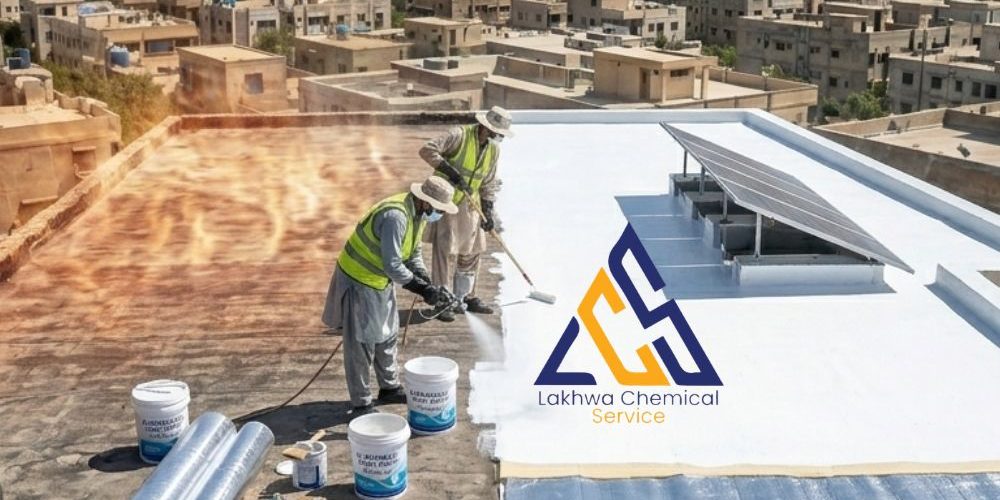
Light-colored or metallic finishes reflect sunlight instead of absorbing it, lowering roof surface temperatures by up to 30–40°C.
Common Types
- Acrylic coatings
- Silicone coatings
- Polyurethane coatings
Best Use
Ideal for hot, sunny regions, especially on flat or low-slope roofs.
Considerations
Require regular cleaning and maintenance to retain reflectivity.
2. Insulation Materials
Popular Options
- Fiberglass Insulation: Affordable, made of fine glass fibers.
- Foam Boards: Rigid panels with high thermal resistance.
- Spray Foam Insulation: Expands to seal gaps and cracks.
- Mineral Wool: Offers thermal, sound insulation, and fire resistance.
Advantages
Stabilizes indoor temperatures, improves soundproofing, and energy efficiency.
Installation Tips
Professional installation is key to avoid gaps that reduce performance.
3. Heat Reflective Paints
How They Work
Contain ceramic or metallic microspheres that reflect infrared radiation.
Ideal Applications
- Exterior walls exposed to sunlight
- Metal roofs
- Storage tanks and industrial buildings
Pros and Cons
- Easy to apply with regular tools
- Affordable compared to roof coatings
- Performance varies with quality
4. Insulated Panels
Types
- Structural Insulated Panels (SIPs): Insulation sandwiched between boards.
- Insulated Metal Panels (IMPs): Metal finishes with foam cores.
Benefits
- Strong structural support
- Excellent thermal performance
- Quick to install
Typical Uses
SIPs for energy-efficient homes; IMPs for warehouses, cold storage, industrial buildings.
5. Thermal Break Materials
Key Products
- Thermal break strips
- Insulating spacers
- Polyamide beams
Why They Matter
Metal components conduct heat rapidly. Thermal breaks interrupt this flow and improve performance.
6. Phase Change Materials (PCMs)
What They Do
Absorb heat when changing state (solid to liquid) and release it as temperatures fall, stabilizing indoor temperatures.
Applications
Wallboards, ceiling tiles, floors
Benefits and Challenges
Highly effective for temperature swings but can be expensive and require professional integration.
7. Heat Barrier Foils and Films
Uses
- Under roofing sheets
- Attics and crawl spaces
- Behind external cladding
Advantages
- Easy to install
- Works well with insulation
- Cost-effective for hot climates
8. Natural and Sustainable Options
Examples
- Cork: Renewable and excellent thermal insulation
- Hempcrete: Hemp fiber and lime mix with good insulation
- Straw Bales: Thick, insulating walls for sustainable construction
Considerations
Require proper construction techniques and moisture control.
Choosing the Right Material
Start With Your Climate
- Hot, sunny regions → reflective surfaces, radiant barriers
- Areas with temperature swings → high R-value insulation
- Humid climates → moisture and heat control
Think About Your Budget
High-performance solutions (spray foam, PCMs) cost more upfront; paints and foils are affordable.
Long-Term Performance
Consider durability, maintenance, and energy savings.
Work With Professionals
Suppliers and consultants like Lakhwa Chemical Service help select materials, understand performance, and source products for your project.
Installation Matters
- Clean and dry surfaces before applying coatings or paints.
- Seal gaps before installing insulation.
- Follow manufacturer guidelines.
- Plan material layers to avoid trapping moisture.
Professional installation prevents issues like mold, condensation, or gaps.
Heat Proofing and Energy Efficiency
- Less heat gain → less AC usage
- Consistent indoor temperatures → better comfort
- Insulation and barriers → longer HVAC lifespan
Heat proofing investments often pay off through lower utility bills and potential government incentives.
Final Thoughts
Heat proofing is crucial for modern building comfort and efficiency. From reflective coatings to sustainable materials, the right solutions depend on climate, construction type, and goals. Experienced suppliers ensure your heat proofing investment delivers measurable results.
FAQs
- What are heat proofing material?
Materials that reduce heat transfer and keep buildings energy-efficient. - How do they reduce energy bills?
By lowering interior temperatures, reducing AC use. - Which materials are best for roof insulation?
Reflective coatings, spray foam, insulated panels, heat-reflective paints. - Can heat proofing be added to existing buildings?
Yes, with coatings, foils, insulation, or thermal paints. - How long do heat proofing material last?
Typically 5–15 years, depending on type and maintenance. - Are eco-friendly options available?
Yes, cork, hempcrete, straw bales, and sustainable insulation foams work well.