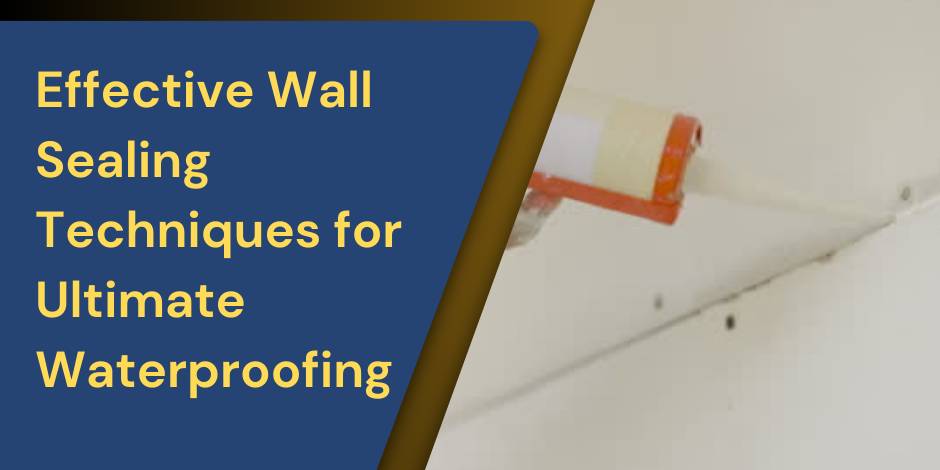
Water interruption can be a property holder’s most dreaded fear, prompting primary harm, shape development, and a large group of different issues. One of the best ways of combatting this issue is through appropriate wall fixing. In this blog, we’ll investigate different procedures and materials for wall fixing to guarantee your home remaining parts dry and safeguarded, regardless of the climate. Learn effective wall sealing techniques to protect your home from water damage.
Understanding the Significance of Wall Fixing
Wall fixing is a basic part of waterproofing that includes applying materials and procedures to keep water from infiltrating walls. Whether you’re managing a cellar, outside walls, or even inside spaces inclined to dampness, legitimate wall fixing can save you from costly fixes and wellbeing risks.
How to add waterproofing with concrete admixtures in Pakistan?
List of chemicals provided by admixture companies in Pakistan
Can we buy waterproofing chemicals from admixture companies in Karachi?
Wall Fixing: Some of the Best Tactics.
Surface Readiness
Another important part in any fixing is setting up the surface that must be worked on. Use a degreaser to effectively clean the walls and remove all soil, dust, and free particles. If there are any holes or cracks in the walls use a feasible filler. Even so power washing can be used in order to achieve a perfect surface in the case of outside walls.
Picking the Right Sealant
This means that the type of sealant to be used depends on the wall surface and the level of exposure to moisture. A few well known choices include:A few well known choices include:
Silicone Sealants: Best for high moisture and high water vapor permeability areas such as the washroom and kitchens.
Acrylic Sealants: Best for external walls and has features of flexibility and UV ray resistance.
Polyurethane Sealants: Of durable strength and excellent adhesion to various substrates and make them suitable for use in both interior and exterior situations.
Application Methods
The important thing is to apply the sealant in a spotless way, which is almost as important as choosing the right type. Caulk with a caulking gun for ease and precision and make sure to coat an even layer. But for large areas such as storm cellars, the use of brush or roller can be used to paint the undersurface. Carefully pay attention to joints, creases, and corners as they are the regular sections of water focus.
Waterproof Layers
Other good coatings that can be used in storm or in cellars exposed to heavy rainfall are waterproof films. These films act as lap in that they prevent the water from reaching the surface of the wall. They may be used as sheets or fluid paints depending on your preferences and the specifications of the area to be painted.
Seepage Frameworks
Effective wall framing often shares a close correlation with suitable waste. Ensure that your property has sufficient drainage topologies to allow efficient flow of water away from the walls. French channels, drain frameworks, and fitting reviewing of the scene can positively decrease the measure of water that is put in direct contact with your walls.
How to Maintain the Momentum of Your Wall Fixing at Home.
However, this does not indicate that the best practices of wall fixing are not subjected to the need for regular maintenance. Take time to look at the wall at times and see if there are any cracks, or if the sealant is wearing off. Deal with any concerns right away to prevent the water from finding its means of satisfying its course in. Also, effectiveness for your waste systems to ensure that this is not contributing to the water retention by your walls.
Diy wall-construction is another question which is associated with the safety of the house and its longevity. With a good understanding of a surface planning and choosing the best sealants, you can effectively apply the right materials and techniques to make your walls safe and dry. Couple these efforts with general maintenance and good waste management and you will be on the right path towards achieving ultimate waterproofing for your home.
And it is important to keep in mind that a dry home is also a cheerful home. Do not wait until moisture becomes a problem: starting now you can start the process of fixing hole in wall!
Any other query regarding Waterproofing , Heat Proofing , Heat Insulation and Construction Chemical Supplies and Services feel free to contact us at WATERPROOFING.PK
Frequently Ask Questions
1. What is wall sealing, and why is it important?
Answer: Wall sealing is the process of applying a protective barrier to walls to prevent moisture, air leaks, and contaminants from entering or escaping. It’s crucial for improving energy efficiency, preventing mold growth, and protecting structural integrity.
2. Which types of walls need sealing?
Answer: Both interior and exterior walls may need sealing, especially in basements, bathrooms, kitchens, and exterior-facing walls. Masonry, concrete, drywall, and even wooden walls can benefit from proper sealing, depending on their exposure to moisture or air drafts.
3. What materials are used for wall sealing?
Answer: Common materials include silicone or acrylic caulk, expanding foam, waterproof sealants, vapor barriers, and special primers or coatings. The best material depends on the wall type and purpose (e.g., moisture vs. air sealing).
4. How can I tell if my wall needs sealing?
Answer: Signs include damp patches, mold or mildew, musty smells, cracking paint, or noticeable drafts. High energy bills may also indicate poor wall sealing allowing air leaks.
5. Can I seal my walls myself, or should I hire a professional?
Answer: Small sealing jobs like caulking gaps or applying sealant can be DIY-friendly. However, larger issues like basement waterproofing, structural leaks, or full-house air sealing are best handled by professionals to ensure lasting results.
6. How long does wall sealing last?
Answer: It depends on the materials used and environmental conditions. Basic caulking may last 5–10 years, while high-quality waterproof coatings or professional air seals can last 15–25 years or more with proper maintenance.