Water damage is one of the most common problems faced by property owners in Karachi. With high humidity, coastal weather, monsoon rains, and rising groundwater levels, protecting buildings from water infiltration has become a critical part of construction and maintenance. One of the most effective solutions is a water proofing membrane. But what exactly is it, and how does it work?
In this article, we’ll break down the concept of waterproofing membranes, the types available, how they function, their applications, and why they are particularly important for buildings in Karachi.
Understanding Waterproofing Membranes
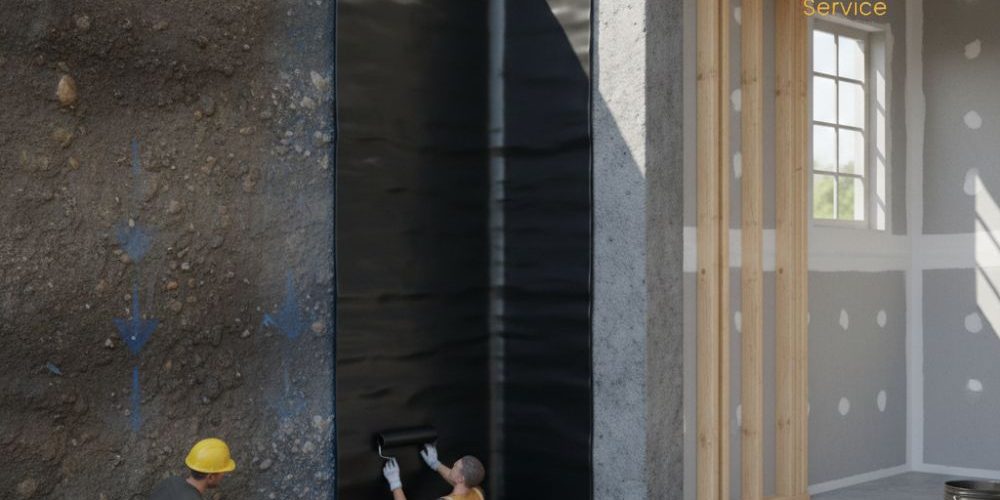
A water proofing membrane is essentially a barrier that prevents water from penetrating surfaces such as roofs, basements, walls, and terraces. Think of it as a protective layer that shields concrete, wood, or other building materials from moisture, which can otherwise cause structural damage, mold growth, and aesthetic issues.
Waterproofing membranes are designed to be durable, flexible, and resistant to water pressure, making them suitable for both new construction and renovation projects. They are often applied as sheets, liquids, or rolls, depending on the type of surface and the specific needs of the building.
Why Waterproofing Membranes Are Important in Karachi
Karachi presents a unique set of challenges for buildings:
-
High Humidity: Even during dry months, humidity levels can lead to condensation and dampness inside buildings.
-
Monsoon Rains: Heavy rains can cause surface water accumulation, especially on rooftops and terraces.
-
Coastal Salinity: Proximity to the sea means that some areas have saline groundwater, which can corrode concrete and metal structures.
-
Groundwater Pressure: Rising water tables can put pressure on basement walls, causing seepage and leaks.
Without proper waterproofing, these factors can lead to serious structural problems, mold growth, peeling paint, and damage to interiors. A well-applied waterproofing membrane acts as the first line of defense against all these issues.
How Waterproofing Membranes Work
Waterproofing membranes work by creating a continuous, impermeable layer that stops water from passing through. Their effectiveness depends on:
-
Material Quality: The membrane must be made of high-quality material capable of withstanding environmental stress and water pressure.
-
Proper Application: Even the best membrane won’t work if it’s not installed correctly. All joints, corners, and edges must be sealed properly.
-
Surface Preparation: Surfaces must be clean, dry, and free from dust or debris to ensure proper adhesion.
Once applied, the membrane prevents water from penetrating structural surfaces while allowing the building to remain functional and safe. Some membranes also provide additional benefits such as UV resistance and thermal insulation, depending on the material.
Types of Waterproofing Membranes
Waterproofing membranes come in various types, each suited to specific applications. Here’s a breakdown of the most common types used in Karachi:
1. Bituminous Membranes
Also known as asphalt-based membranes, these are widely used for rooftops and terraces. They are applied in layers and often come in rolls. Bituminous membranes are durable, flexible, and resistant to extreme weather, making them ideal for Karachi’s climate.
2. Liquid Membranes
Liquid-applied membranes are painted or sprayed onto surfaces. They form a seamless, flexible barrier that conforms to corners and irregular shapes. This type is often used on balconies, terraces, and basements where complex structures make sheet membranes challenging to apply.
3. EPDM Membranes
Ethylene Propylene Diene Monomer (EPDM) membranes are synthetic rubber materials known for their flexibility and long lifespan. They are particularly effective on flat roofs and areas exposed to sunlight, as they are resistant to UV degradation.
4. PVC Membranes
PVC (polyvinyl chloride) membranes are sheets that are heat-welded at seams to form a continuous barrier. They are lightweight, durable, and resistant to chemicals and salt, making them suitable for coastal areas of Karachi.
5. Cementitious Membranes
These are made from cement-based mixtures that can be applied directly to concrete surfaces. Cementitious membranes are commonly used in internal wet areas like bathrooms or water tanks. They bond strongly to concrete and are simple to apply, although they are less flexible than rubber or liquid membranes.
Applications of Waterproofing Membranes
Waterproofing membranes are versatile and can be used in multiple areas of a building:
-
Roofs and Terraces: Prevents rainwater infiltration and reduces leaks.
-
Basements: Protects against groundwater seepage and moisture damage.
-
Bathrooms and Wet Areas: Ensures water does not penetrate walls or floors.
-
Water Tanks and Swimming Pools: Provides a waterproof lining to hold water without leakage.
-
Foundations: Shields structural foundations from soil moisture and rising water tables.
In Karachi, where heavy rains and coastal humidity are common, roofs, terraces, and basements are the areas most in need of high-quality waterproofing membranes.
Benefits of Using Waterproofing Membranes
-
Prevents Structural Damage: Stops water from weakening concrete, steel, and wood structures.
-
Reduces Maintenance Costs: Minimizes long-term repair needs caused by water damage.
-
Protects Interiors: Prevents damp walls, peeling paint, mold, and odors.
-
Enhances Longevity: Properly waterproofed buildings last longer, especially in harsh weather conditions.
-
Energy Efficiency: Some membranes provide thermal insulation, helping maintain indoor temperature.
Common Mistakes to Avoid
Even the best waterproofing membrane can fail if not applied correctly. Common mistakes include:
-
Skipping surface preparation
-
Using low-quality membranes to cut costs
-
Ignoring corners, joints, and edges during application
-
Failing to inspect and maintain the membrane regularly
Proper planning and professional installation are key to ensuring the membrane performs as intended.
Choosing the Right Waterproofing Membrane in Karachi
Selecting the right membrane depends on factors like:
-
Type of surface (roof, wall, basement)
-
Exposure to weather and UV
-
Soil and groundwater conditions
-
Long-term durability requirements
-
Building size and structure
Consulting a professional contractor familiar with Karachi’s climate and construction standards is recommended. They can provide guidance on the most suitable type of membrane, application method, and maintenance schedule.
Maintenance Tips for Waterproofing Membranes
Once installed, a waterproofing membrane still requires regular care to ensure long-term performance:
-
Inspect surfaces after heavy rains or monsoons for signs of leaks
-
Clean debris and moss from roofs and terraces
-
Repair any punctures or damage immediately
-
Reapply coatings or protective layers as recommended by the manufacturer
With proper maintenance, a high-quality waterproofing membrane can last for many years, protecting your property from water damage and reducing ongoing costs.
Final Thoughts
A waterproofing membrane is more than just a protective layer; it is an essential investment for any building in Karachi. From preventing structural damage to keeping interiors dry and safe, it addresses the unique water-related challenges of the city.
Understanding the types of membranes, their applications, and the factors affecting performance is key to making the right choice. Professional installation and regular maintenance ensure that your property remains protected for years to come.
Whether you are constructing a new building, renovating an existing one, or simply safeguarding critical areas like basements and terraces, a waterproofing membrane is the most reliable way to keep your property dry, safe, and long-lasting in Karachi’s demanding environment. Lakhwa Chemical Services
Faqs
1. What is a waterproofing membrane?
It’s a protective barrier applied to surfaces like roofs, basements, and walls to prevent water from penetrating and causing damage.
2. Why are waterproofing membranes important in Karachi?
Karachi’s high humidity, heavy rains, and coastal groundwater make buildings prone to water damage, making membranes essential.
3. What types of waterproofing membranes are available?
Common types include bituminous, liquid-applied, EPDM, PVC, and cementitious membranes, each suited for specific surfaces and conditions.
4. Where can waterproofing membranes be applied?
They can be used on roofs, terraces, basements, bathrooms, water tanks, pools, and foundations to prevent water ingress.
5. How long do waterproofing membranes last?
Their lifespan depends on material quality, installation, and maintenance, but high-quality membranes can protect structures for many years.
6. Can waterproofing membranes be used in existing buildings?
Yes. They can be applied to both new and existing structures, but proper surface preparation and professional installation are crucial for effectiveness.