As temperatures rise across many parts of the world, keeping buildings cool and comfortable has become a priority for homeowners, builders, and designers alike. Heat proofing is not just about comfort. It plays a major role in reducing energy costs, improving indoor air quality, and extending the life of building materials. But what exactly are heat proofing materials, and which ones should you consider for your home or commercial building?
In this post, we’ll break down the most effective heat proofing materials available today, how they work, and where they make the biggest difference. We’ll also touch on why working with a reliable supplier like Lakhwa Chemical Service can make your heat proofing project smoother and more effective.
What Does Heat Proofing Actually Mean?
When we talk about heat proofing, we’re referring to materials and systems designed to reduce heat transfer. Essentially, these materials slow down the flow of heat from outside to inside (or vice versa), helping maintain a stable indoor temperature.
This is different from simply adding air conditioning. Heat proofing creates a barrier that keeps heat out in hot weather and holds warmth in during cooler months. The better your heat proofing, the less your HVAC system has to work.
Why Heat Proofing Matters
Before we dive into specific materials, it helps to understand the practical benefits:
-
Lower Energy Bills: When your home stays cooler naturally, you use less electricity on air conditioning.
-
Improved Comfort: Less heat gain means steadier indoor temperatures and fewer hot spots.
-
Longer Lifespan for Building Materials: Excessive heat can warp wood, degrade paint, and wear down roofing materials.
-
Environmental Impact: Reduced energy consumption means lower carbon emissions.
With that in mind, let’s explore the top heat proofing materials and where they work best.
1. Reflective Roof Coatings
One of the simplest ways to reduce heat gain is at the roof, where most solar heat enters a building.
How They Work
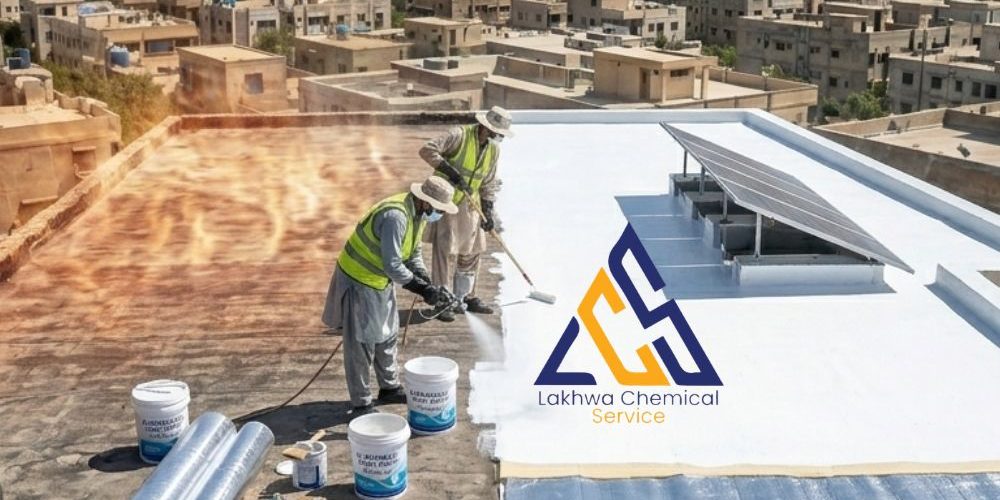
Reflective roof coatings are light-colored or metallic finishes applied to roof surfaces. They reflect sunlight rather than absorbing it. By reflecting solar radiation, these coatings can lower roof surface temperatures by up to 30–40 degrees Celsius compared to uncoated surfaces.
Common Types
-
Acrylic Coatings
-
Silicone Coatings
-
Polyurethane Coatings
Best Use
These coatings work best in hot, sunny regions where roofs receive direct sunlight for much of the day. They are especially effective on flat or low-slope roofs common in commercial buildings.
Considerations
Regular maintenance may be needed to ensure the surface stays clean and reflective. Over time, coatings can accumulate dust or lose reflectivity.
2. Insulation Materials
Insulation plays a key role in slowing down heat transfer through walls, roofs, and floors.
Popular Options
-
Fiberglass Insulation: Affordable and widely available, fiberglass is made of fine glass fibers and installed between studs or rafters.
-
Foam Boards: Rigid panels that provide good thermal resistance with minimal thickness.
-
Spray Foam Insulation: Expands to fill gaps and cracks, creating an airtight seal.
-
Mineral Wool: Offers both thermal and sound insulation, with good fire resistance.
Advantages
Insulation reduces heat flow, which stabilizes indoor temperatures. It also helps with soundproofing and improves energy efficiency.
Installation Tips
Professional installation ensures insulation fits correctly and doesn’t leave gaps. Poorly installed insulation can reduce performance.
3. Heat Reflective Paints
Heat reflective or thermal barrier paints have heat-resistant pigments that reflect infrared radiation.
How They Work
These paints contain special ceramic or metallic microspheres. When applied to surfaces like exterior walls or roofs, they reflect a portion of heat back into the environment.
Ideal Applications
-
Exterior walls exposed to sunlight
-
Metal roofs
-
Storage tanks and industrial buildings
Pros and Cons
-
Easy to apply with regular painting tools
-
More affordable than some roof coatings
-
Performance varies based on paint quality
If you choose this option, select products backed by testing and performance data.
4. Insulated Panels
Insulated panels are prefabricated construction elements with built-in thermal resistance.
Types
-
Structural Insulated Panels (SIPs): A layer of insulation sandwiched between two structural boards.
-
Insulated Metal Panels (IMPs): Often used in commercial buildings with metal finishes and foam cores.
Benefits
-
Strong structural support
-
Excellent thermal performance
-
Quick to install
Typical Uses
SIPs are popular in energy-efficient homes, while IMPs are common in warehouses, cold storage, and industrial buildings.
5. Thermal Break Materials
In metal buildings, thermal bridges occur where metal components conduct heat from outside to inside. Thermal break materials prevent that.
Key Products
-
Thermal break strips
-
Insulating spacers
-
Polyamide beams
Why They Matter
Metal is a great conductor of heat. Without thermal breaks, metal frames or panels can transfer external heat into a building rapidly. Adding thermal break materials interrupts this flow and significantly improves performance.
6. Phase Change Materials (PCMs)
Phase change materials are an emerging class of heat proofing products.
What They Do
PCMs absorb heat when they change state (for example, from solid to liquid) and release it when temperatures fall. This helps stabilize indoor temperatures over the day.
Applications
-
Wallboards
-
Ceiling tiles
-
Floors
Benefits and Challenges
PCMs can significantly reduce indoor temperature swings, but they can be costly and require professional planning to integrate effectively.
7. Heat Barrier Foils and Films
Reflective foils and films are lightweight materials that reflect radiant heat.
Uses
-
Under roofing sheets
-
Inside attics and crawl spaces
-
Behind external cladding
Advantages
-
Easy to install
-
Works well in combination with insulation
-
Affordable
These materials are especially useful in hot climates where radiant heat from the sun is a major contributor to indoor heat gain.
8. Natural and Sustainable Options
For those interested in eco-friendly solutions, several natural materials offer good heat proofing properties.
Examples
-
Cork: Excellent thermal insulation and renewable.
-
Hempcrete: A mixture of hemp fiber and lime with good insulation value.
-
Straw Bales: Used in sustainable construction for thick, insulating walls.
Considerations
Natural materials can perform well but may require specific construction techniques and careful moisture control.
Choosing the Right Material for Your Project
With so many options, how do you decide what’s best for your home or building?
Start With Your Climate
-
Hot, sunny regions benefit from reflective surfaces and radiant barriers.
-
Areas with temperature swings need high R-value insulation.
-
Humid climates must control moisture as well as heat.
Think About Your Budget
Some solutions like spray foam and PCMs offer high performance but cost more upfront. Others, like reflective paints or foils, are more affordable.
Long-Term Performance
Durability, maintenance, and energy savings over time should factor into your decision.
Work With Professionals
Choosing and installing the right heat proofing solution isn’t always straightforward. A supplier and consultant like Lakhwa Chemical Service can help you evaluate materials, understand technical performance, and source products that meet your specific needs. Whether you’re retrofitting an old building or planning new construction, getting expert input early saves time and cost.
Installation Matters
Even the best materials won’t perform if installed poorly. Here are a few installation tips:
-
Ensure surfaces are clean and dry before applying coatings or paints.
-
Seal gaps and leaks before installing insulation.
-
Follow manufacturer guidelines for installation temperature and conditions.
-
If combining materials (for example, insulation plus reflective coatings), plan the layers to avoid trapping moisture.
Professional installation ensures materials perform as advertised and helps avoid problems like mold, condensation, or gaps in insulation.
Heat Proofing and Energy Efficiency
Good heat proofing is one of the most effective ways to reduce energy use:
-
Less heat gain means less reliance on air conditioning.
-
Consistent indoor temperatures improve comfort without constant HVAC cycling.
-
Better insulation and barriers extend equipment life and reduce load.
In many regions, heat proofing investments pay for themselves over time through lower utility bills. Governments and energy programs often offer incentives or rebates for energy-efficient upgrades too.
Final Thoughts
Heat proofing is an essential part of modern building design and home comfort. From traditional insulation to advanced coatings and sustainable materials, there are plenty of options to suit different needs and budgets.
Reflective roof coatings, high-performance insulation, phase change materials, and thermal breaks all play a role in keeping buildings cooler and more energy-efficient. The right combination depends on your climate, construction type, and long-term goals.
Working with experienced suppliers and consultants like Lakhwa Chemical Service helps you make smart choices and ensures your heat proofing solutions deliver measurable results.
Faqs
1. What are heat proofing materials?
Materials that reduce heat transfer to keep buildings cool and energy-efficient.
2. How do they help reduce energy bills?
By keeping interiors cooler, they lower air conditioning use and electricity costs.
3. Which materials are best for roof insulation?
Reflective coatings, spray foam, insulated panels, and heat-reflective paints.
4. Can heat proofing be added to existing buildings?
Yes, through coatings, foils, insulation, or thermal paints.
5. How long do heat proofing materials last?
From 5 to 15 years depending on the type and maintenance.
6. Are eco-friendly options available?
Yes, cork, hempcrete, straw bales, and sustainable insulation foams work well.