Waterproofing is one of the most critical aspects of building construction and maintenance, particularly in cities like Karachi. With heavy monsoon rains, high humidity, coastal air, and extreme summer heat, buildings are constantly exposed to water-related damage. Roof leaks, damp walls, basement seepage, and structural corrosion are all common problems that arise from inadequate waterproofing.
Among the many waterproofing solutions available today, bitumen membranes are one of the most widely used and reliable options. They provide long-lasting protection, are versatile, and perform exceptionally well under Karachi’s harsh environmental conditions. This blog will explain how bitumen membranes waterproof buildings, the types available, advantages, common applications, and why professional services like Lakhwa Chemical Services are crucial for ensuring optimal results.
What Is a Bitumen Membrane?
A bitumen membrane is a waterproofing sheet made from modified bitumen, a petroleum-based material known for its water-resistant properties. These membranes are reinforced with polyester or fiberglass to increase durability, strength, and flexibility.
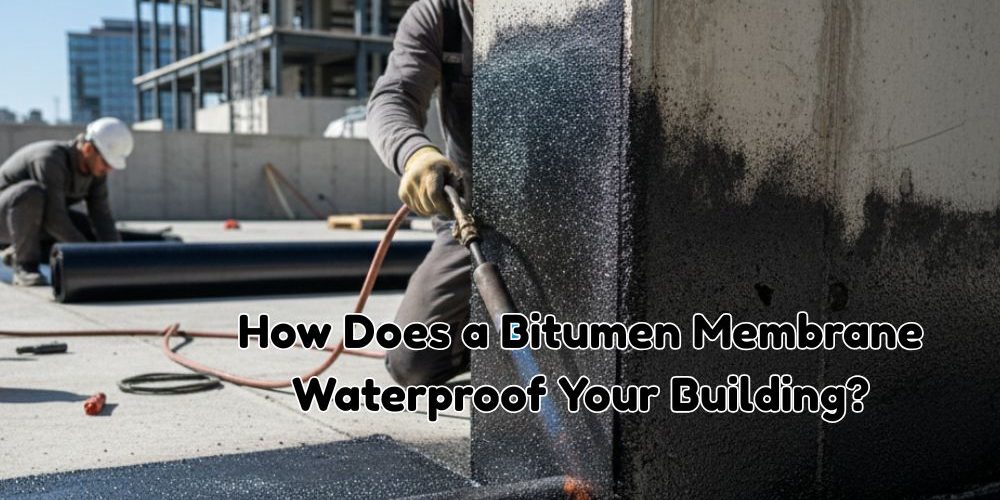
Bitumen membranes are supplied in rolls and applied to surfaces such as roofs, terraces, basements, and water tanks. Once installed, they create a continuous barrier that prevents water from penetrating the building structure.
Unlike liquid coatings or cementitious waterproofing, bitumen membranes provide a thicker, more durable layer that is ideal for areas exposed to standing water, heavy rainfall, and harsh sunlight.
How Does a Bitumen Membrane Work?
The primary function of a bitumen membrane is to act as a barrier between water and the building structure. Here’s how it works:
-
Seamless Coverage:
When applied correctly, bitumen membranes form a continuous layer over the surface, covering joints, edges, and corners. This eliminates weak points where water could seep in. -
Water Resistance:
Bitumen is naturally water-repellent, preventing moisture from passing through the membrane and into concrete, brick, or masonry. -
Flexibility and Crack Bridging:
Modified bitumen membranes (APP or SBS) are flexible, allowing them to accommodate minor structural movements and cracks without losing their waterproofing capability. -
Durability Against Weather Conditions:
Bitumen membranes resist heat, UV exposure, and moisture. In Karachi, this means they can withstand intense summer heat and heavy monsoon rains while maintaining their protective properties. -
Protection of Structural Integrity:
By preventing water ingress, bitumen membranes reduce risks of mold, corrosion of steel reinforcements, and deterioration of concrete. This enhances the longevity and safety of the building.
Types of Bitumen Membranes
Bitumen membranes are broadly classified into two main types, each suitable for specific applications:
1. APP (Atactic Polypropylene) Membrane
-
Features: Plastic-modified bitumen, UV-resistant, heat-resistant.
-
Applications: Exposed roofs, terraces, industrial and commercial roofs.
-
Advantages: Ideal for areas with high sun exposure; maintains stability under extreme heat.
2. SBS (Styrene-Butadiene-Styrene) Membrane
-
Features: Rubber-modified bitumen, highly flexible.
-
Applications: Basements, podiums, terraces with structural movement.
-
Advantages: Excellent for bridging minor cracks and handling building expansion or settlement.
Both types can be reinforced with fiberglass or polyester for added tensile strength, ensuring long-term durability in areas with heavy rainfall or foot traffic.
Advantages of Using Bitumen Membranes
Bitumen membranes provide multiple benefits, especially for buildings in Karachi:
-
Durable Waterproofing:
A properly installed membrane can last 15–25 years, depending on environmental exposure and maintenance. -
Heat and UV Resistance:
Particularly important for exposed rooftops, APP membranes can withstand extreme sunlight without deterioration. -
Flexibility:
SBS membranes are highly flexible, allowing the roof or terrace to expand and contract with temperature changes or minor structural movement. -
Cost-Effective Over Time:
While initial costs may be higher than some coatings, long-term durability reduces repair expenses. -
Resistance to Chemical and Salt Exposure:
Coastal environments like Karachi can accelerate material deterioration. Bitumen membranes resist salt and chemical exposure, protecting the building structure. -
Versatility:
Suitable for roofs, basements, water tanks, terraces, and podiums, bitumen membranes can be applied on both new and existing structures.
Common Applications of Bitumen Membranes in Karachi
Karachi buildings face specific challenges due to climate and environmental conditions. Bitumen membranes are ideal for:
-
Flat and Low-Slope Roofs:
Protects against monsoon water accumulation and UV damage. -
Basements and Foundations:
Prevents groundwater seepage and structural deterioration. -
Terraces and Podiums:
Provides a flexible, seamless barrier in areas with foot traffic or minor cracks. -
Water Tanks and Reservoirs:
Ensures watertight containment of potable or storage water. -
Industrial Facilities:
Protects roofs and floors from water exposure, chemicals, and heavy usage.
Importance of Professional Installation
Even the best bitumen membrane will fail if applied incorrectly. Common issues caused by poor installation include:
-
Weak bonding to the substrate
-
Air pockets or blisters
-
Improper sealing at joints and edges
-
Early cracking or peeling
This is why professional services, like Lakhwa Chemical Services, are crucial. Their experienced teams in Karachi provide:
-
Thorough surface inspection and preparation
-
Correct selection of membrane type (APP or SBS) for specific applications
-
Skilled application with proper heating, rolling, and joint sealing
-
Guidance on protective layers and maintenance for long-term performance
Professional installation ensures the membrane performs as intended and maximizes its lifespan.
Maintenance of Bitumen Membranes
While bitumen membranes are durable, basic maintenance can significantly extend their service life:
-
Regular Inspections:
Check roofs, terraces, and basements after heavy rainfall or seasonal changes. -
Clear Drainage:
Ensure gutters, downspouts, and drains are free of debris to prevent water pooling. -
Minor Repairs:
Patch any small punctures, blisters, or exposed edges immediately to avoid leaks. -
Protective Coatings:
Applying reflective or protective layers can reduce UV damage for exposed membranes.
With proper care, a bitumen membrane can provide reliable waterproofing for decades.
Bitumen Membranes vs Other Waterproofing Systems
| Feature | Bitumen Membrane | Liquid Coatings | Cementitious Waterproofing |
|---|---|---|---|
| Seamless Coverage | Moderate (depends on joints) | Yes | Partial |
| Flexibility | High (especially SBS) | High | Low |
| Durability | 15–25 years | 10–20 years | 5–10 years |
| UV Resistance | High (APP) | Moderate to High | Low |
| Ideal Surfaces | Roofs, basements, water tanks | Irregular surfaces, terraces | Vertical or internal surfaces |
| Maintenance | Moderate | Low | Moderate |
Bitumen membranes are particularly effective where long-term durability, heat resistance, and heavy water exposure are critical.
Conclusion
For buildings in Karachi, where heavy rainfall, high humidity, coastal air, and extreme temperatures are constant threats, bitumen membranes provide one of the most reliable waterproofing solutions. They create a strong, flexible, and durable barrier that protects roofs, basements, terraces, and water tanks from water ingress while preserving structural integrity.
However, material quality alone is not enough. Proper installation, joint sealing, surface preparation, and maintenance are essential for long-term performance. Lakhwa Chemical Services offers professional expertise in selecting the right bitumen membrane, applying it correctly, and providing maintenance guidance, ensuring buildings remain protected for decades.
Investing in a quality bitumen membrane, applied by experienced professionals, is not just about preventing leaks—it’s about protecting your building, saving on future repairs, and ensuring long-term durability in Karachi’s challenging environment.
Faqs
1. What is a bitumen membrane?
A waterproofing sheet made from modified bitumen that prevents water seepage in roofs, basements, terraces, and water tanks.
2. How does a bitumen membrane work?
It forms a continuous, water-resistant barrier that covers surfaces, joints, and corners while accommodating minor structural movement.
3. Which types of bitumen membranes are available?
APP (plastic-modified, UV-resistant) and SBS (rubber-modified, flexible) membranes are the most common.
4. Is a bitumen membrane suitable for Karachi weather?
Yes. It withstands heavy monsoon rains, high humidity, coastal air, and extreme temperatures.
5. How long does a bitumen membrane last?
With proper installation and maintenance, it can last 15–25 years.
6. Why should professionals install bitumen membranes?
Correct surface preparation, joint sealing, and application by experts prevent leaks and maximize lifespan.