Karachi’s summers are not just hot, they are exhausting. With temperatures often crossing 40°C, high humidity, and long heat waves, keeping indoor spaces comfortable becomes a daily struggle. Many homeowners rely heavily on air conditioners, but rising electricity bills and frequent power issues make this an expensive solution. This is why more people are now asking an important question: what materials are used to heat proof a room, and do they really work in Karachi’s climate?
Heat proofing is not about one single product. It is a combination of materials and techniques designed to reduce heat transfer into a room. When done properly, it can significantly lower indoor temperatures, improve comfort, and reduce energy costs. In this blog, we will explore the most effective heat proofing materials used in Karachi and how professional services like Lakhwa Chemical Services help homeowners achieve long-lasting results.
Why Heat Proofing Is Important in Karachi
Karachi’s climate is unique. The city faces extreme heat, high humidity, salty air near coastal areas, and dense urban construction. Roofs and walls absorb heat all day and release it indoors, making rooms uncomfortable even at night. Concrete structures, which are common in Karachi, store heat for long periods, worsening the problem.
Without heat proofing, rooms become heat traps. This leads to higher indoor temperatures, excessive use of cooling appliances, and increased electricity bills. Over time, constant heat exposure can also weaken building materials. Heat proofing addresses these issues at the source instead of relying only on mechanical cooling.
How Heat Enters a Room
Before understanding materials, it helps to know how heat enters a room. In Karachi homes, the main sources are:
Roofs exposed to direct sunlight
Exterior walls facing the sun
Windows and glass surfaces
Uninsulated ceilings and slabs
Among these, the roof is the biggest contributor, followed by walls. Effective heat proofing materials focus on blocking or reflecting heat at these points.
Heat Reflective Roof Coatings
One of the most commonly used heat proofing materials is heat reflective roof coating. These coatings are applied directly to the roof surface and are designed to reflect sunlight instead of absorbing it.
They are usually white or light-colored and contain reflective pigments. By reflecting a large portion of solar radiation, these coatings reduce roof temperature significantly. As a result, less heat travels into the rooms below.
In Karachi, where roofs receive intense sunlight for most of the year, reflective coatings are highly effective. Lakhwa Chemical Services often recommends high-quality reflective coatings that are suitable for coastal and humid environments, ensuring durability and performance.
Thermal Insulation Sheets and Boards
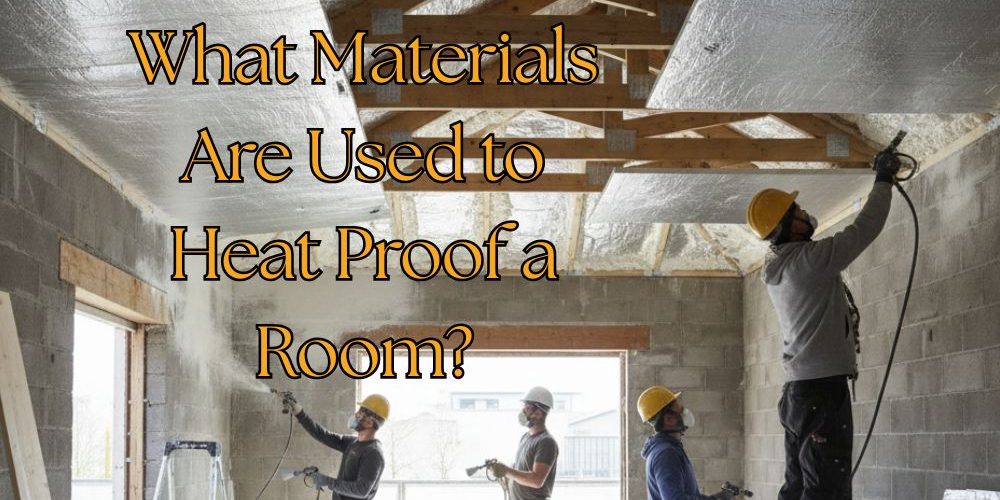
Thermal insulation materials work by slowing down heat transfer. These materials are installed under roofs, above ceilings, or inside walls to create a barrier between outdoor heat and indoor spaces.
Common insulation materials include:
Polystyrene sheets
Polyurethane foam boards
Rock wool and glass wool
Polystyrene and polyurethane are popular in Karachi because they are lightweight, moisture-resistant, and effective against heat. When installed properly, insulation can reduce indoor temperatures by several degrees.
Professional installation is crucial, as gaps or poor fitting reduce effectiveness. This is where experienced providers like Lakhwa Chemical Services play an important role.
Heat Proofing Paints for Interior and Exterior Walls
Heat proofing paints are specially formulated to reduce heat absorption on walls. These paints can be used on both exterior and interior surfaces, depending on the product.
Exterior heat-resistant paints reflect solar heat and protect walls from temperature stress. Interior heat proofing paints help reduce heat transfer from hot walls into rooms.
In Karachi’s dense neighborhoods, where homes often share walls and have limited airflow, heat proofing paints offer an additional layer of protection. They are especially useful for rooms that face direct sunlight for long hours.
Waterproofing Combined with Heat Proofing Materials
In Karachi, heat proofing often works best when combined with waterproofing. High humidity and occasional heavy rains can damage insulation and coatings if they are not moisture-resistant.
Modern heat proofing materials are often designed to provide both heat resistance and waterproofing. This dual protection ensures longer life and better performance.
Lakhwa Chemical Services specializes in solutions that combine water and heat proofing, making them ideal for Karachi’s coastal climate.
False Ceilings with Insulation Layers
False ceilings are another effective way to heat proof a room. When combined with insulation materials, they create an air gap between the roof and the living space. This air gap acts as a thermal buffer, reducing heat transfer.
Materials used in false ceilings include:
Gypsum boards
PVC panels
Fiber cement boards
When insulation sheets are placed above these ceilings, the heat reduction becomes more noticeable. This method is commonly used in bedrooms and living rooms where comfort is a priority.
Window Films and Glass Treatments
Windows allow heat to enter easily, especially in rooms with large glass surfaces. Heat control window films are designed to reflect infrared radiation while allowing natural light to pass through.
These films are easy to install and can reduce indoor heat without blocking views. In Karachi apartments and modern homes with glass windows, window films are a practical heat proofing material.
Sealants and Crack Fillers
Small cracks in walls, ceilings, and joints may seem harmless, but they allow heat and humidity to enter a room. Sealants and crack fillers are used to close these gaps before applying other heat proofing materials.
High-quality sealants also improve the performance of insulation and coatings by creating a continuous protective layer. Professional services ensure that all vulnerable areas are treated properly.
Role of Professional Heat Proofing Services
Using the right materials is only part of the solution. Proper assessment, surface preparation, and application are equally important. Each room and building has different heat exposure levels, construction quality, and usage patterns.
Lakhwa Chemical Services offers professional heat proofing services in Karachi that start with a detailed inspection. Based on the structure and location, they recommend suitable materials and methods. Their experience with local weather conditions helps ensure long-lasting results.
Benefits of Using the Right Heat Proofing Materials
When the correct materials are used and applied professionally, homeowners experience several benefits:
Noticeable reduction in indoor temperature
Improved comfort during peak summer months
Lower electricity bills due to reduced AC usage
Protection of building structure from heat damage
Longer lifespan of roofs and walls
In Karachi, where summers are becoming more intense each year, these benefits make heat proofing a smart investment rather than an optional upgrade.
Choosing the Right Materials for Your Room
Not every room needs the same type of heat proofing. A top-floor bedroom may require roof coating and insulation, while a ground-floor room may benefit more from wall treatments and window films.
This is why consultation with experts like Lakhwa Chemical Services is important. They help homeowners choose materials that match their specific needs and budget.
Final Thoughts
So, what materials are used to heat proof a room in Karachi? The answer includes a combination of reflective roof coatings, insulation sheets, heat-resistant paints, false ceilings, window films, and quality sealants. When used together and applied correctly, these materials can transform an overheated room into a comfortable living space.
In a city like Karachi, where extreme heat affects daily life and energy costs, heat proofing is no longer a luxury. It is a practical solution for long-term comfort and savings. With professional support from Lakhwa Chemical Services, homeowners can protect their rooms from heat and enjoy a cooler, more livable home even during the harshest summers.
Faqs
1. What does heat proofing a room mean?
Heat proofing means using materials that reduce heat transfer from roofs, walls, and windows into a room.
2. Which part of a room needs heat proofing the most?
The roof is the most important area, followed by sun-facing walls and windows.
3. Can heat proofing really reduce room temperature?
Yes. Proper heat proofing can reduce indoor temperature by several degrees in Karachi’s summer.
4. Is heat proofing better than using air conditioners?
Heat proofing reduces heat at the source, while ACs only cool air. Together, they work more efficiently.
5. How long does heat proofing last?
Professional heat proofing can last 5 to 10 years, depending on materials and maintenance.
6. Is heat proofing suitable for apartments and old houses?
Yes. Heat proofing can be applied to both apartments and existing homes without major construction.