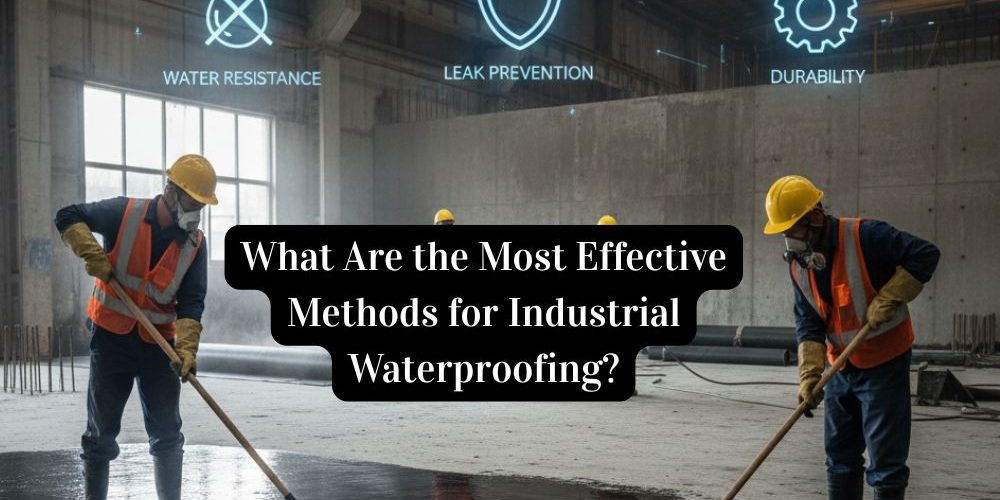
Water and moisture are among the biggest threats to industrial buildings. In a bustling coastal city like Karachi, heavy monsoon rains, high humidity, and rising groundwater levels make industrial waterproofing not just a maintenance task but a long‑term investment in structural integrity. Whether you manage a warehouse, factory floor, processing plant, or high‑traffic commercial site, choosing the right waterproofing method can protect your assets, prevent downtime, and lower repair costs.
In this guide, we’ll explore the most effective industrial waterproofing methods, why they matter in Karachi’s climate, and how professional service providers like Lakhwa Chemical Services can help you achieve durable, cost‑effective results.
Why Industrial Waterproofing Is Crucial
Industrial environments are different from residential or even commercial spaces. They often house heavy machinery, sensitive inventory, and critical infrastructure. Water penetration can lead to:
-
Structural damage
-
Rust and corrosion of metal equipment
-
Electrical hazards
-
Mold, mildew, and unhealthy air quality
-
Increased maintenance and repair costs
-
Interruptions to production timelines
In Karachi, salt air, unpredictable monsoon patterns, and aging buildings only increase these risks. A well‑planned waterproofing strategy can save industrial operators time and money while ensuring safety for workers and equipment alike.
Understanding Industrial Waterproofing
Industrial waterproofing refers to systems and materials designed to prevent water ingress in large‑scale buildings and facilities. Unlike simple sealants or paints, industrial waterproofing solutions are engineered to withstand high pressures, chemical exposure, temperature fluctuations, and sustained humidity.
The right method depends on where water is entering, how much pressure it exerts, and whether you’re dealing with above‑ground surfaces, roofs, basements, tanks, or foundations.
Below, we explore the most effective industrial waterproofing methods used in Karachi and around the world.
1. Liquid Applied Membranes
Liquid applied membranes are versatile waterproofing coatings that form a seamless protective layer when cured. Typically made from polymers, acrylics, or polyurethane, these coatings bond directly to concrete, metal, or masonry surfaces.
Why It Works
-
Creates a monolithic, flexible membrane
-
Adapts to complex shapes, corners, and joints
-
Easy to inspect and maintain
-
Fast application with minimal downtime
Best Uses
-
Roof slabs
-
Terrace floors
-
Water tanks
-
Industrial floors with chemical exposure
This method is especially effective in Karachi’s humid environment, where flexibility and adhesion are key.
2. Cementitious Waterproofing
Cementitious waterproofing is one of the most popular methods for industrial sites because of its simplicity and durability. It involves mixing a waterproofing compound with cement and applying it like plaster over concrete or masonry.
Advantages
-
Cost‑effective
-
Easy to apply on site
-
Excellent for internal wet areas
-
Good compatibility with concrete
Limitations
-
Less flexible than polymer membranes
-
Can crack if the substrate moves significantly
Best Uses
-
Basements
-
Water retaining structures
-
Elevators pits
-
Foundation walls
Given Karachi’s sporadic heavy rains and underground water tables, this method works well for below‑grade structures and water storage areas.
3. Bituminous Membrane Systems
Bituminous, or asphalt‑based, membrane systems are popular in industrial waterproofing. These sheets come in rolls and are torch‑applied or self‑adhered to surfaces.
Strengths
-
Proven performance in flat or low‑slope roofs
-
Tough and durable
-
Good resistance to water and vapor
When It’s Ideal
-
Rooftop waterproofing
-
Bridge decks
-
External slabs exposed to rain
In Karachi’s coastal climate, bituminous membranes provide a robust shield against moisture and heat.
4. Polyurethane Injection
When water enters through cracks or joints in concrete, polyurethane injection is an effective repair technique. This process involves injecting a liquid polyurethane resin into cracks. The resin expands and fills voids, creating a waterproof seal.
Key Benefits
-
Seals active leaks
-
Works under pressure
-
Suitable for cracks of various sizes
Best For
-
Cracked foundations
-
Leaky joints and expansion gaps
-
Water tanks and pools
For older industrial buildings in Karachi, where cracking due to settlement or thermal expansion is common, polyurethane injection can stop leaks without major demolition.
5. Sheet Membrane Systems
Sheet membranes are factory‑manufactured sheets made from materials like PVC, TPO, EPDM, or reinforced bitumen. These are laid and sealed at seams to form a continuous waterproof layer.
Pros
-
Controlled quality
-
High tensile strength
-
Excellent UV resistance (important on roof decks)
Cons
-
Requires specialist installation
-
Careful seam sealing is critical
Uses
-
Roofs
-
Decks
-
Podium areas
For large industrial roofs in Karachi, sheet membranes provide dependable long‑term protection with minimal maintenance.
6. Crystalline Waterproofing
Crystalline waterproofing is a unique method where materials penetrate the concrete and react with moisture to form crystals. These crystals block pores and micro‑cracks, preventing water ingress permanently.
Why It’s Effective
-
Becomes part of the concrete structure
-
Self‑sealing (active with moisture)
-
Long‑lasting
Ideal For
-
Basements
-
Tunnels and underground structures
-
Water retention areas
This method is especially useful in Karachi’s coastal locations where groundwater intrusion is a recurring challenge.
Choosing the Right Method for Your Site
Selecting the best industrial waterproofing solution depends on:
-
Type and age of structure
-
Source and pressure of water entry
-
Chemical exposure and environmental conditions
-
Budget constraints
-
Long‑term maintenance goals
A professional assessment helps determine what combination of methods will offer the best performance.
Why Professional Waterproofing Matters
DIY waterproofing products may work for small residential jobs, but industrial sites require specialist expertise. Poor installation or incorrect material choice can lead to:
-
Recurring leaks
-
Structural damage
-
Higher repair costs
-
Safety hazards
This is where Lakhwa Chemical Services stands out. With years of experience in industrial waterproofing in Karachi, they offer:
-
Site assessment and moisture testing
-
Custom waterproofing plans
-
Certified technicians and quality materials
-
Long‑term maintenance and support
Industrial waterproofing is not just about applying a coating. It’s about understanding water behavior, building movement, environmental exposure, and long‑term durability.
Lakhwa Chemical Services provides tailored solutions that match Karachi’s unique climate and industrial needs, ensuring peace of mind and maximum protection for your infrastructure.
Tips for Maintaining Waterproofing Systems
Even the best waterproofing systems benefit from regular inspection and care:
-
Routine Checks
Look for cracks, peeling, or water stains quarterly, especially after monsoon season. -
Clean Drainage Systems
Blocked drains and gutters can cause water build‑up and pressure on waterproofing layers. -
Repair Early
Addressing small leaks early prevents them from becoming big, costly problems. -
Consult Professionals
Schedule yearly assessments with a licensed provider like Lakhwa Chemical Services to ensure integrity.
Final Thoughts
Industrial waterproofing is essential in Karachi’s coastal environment. Choosing the right method protects your assets, improves safety, and extends the life of your infrastructure. From liquid membranes and cementitious coatings to advanced crystalline technologies and polyurethane injection, each method has its place.
Working with a trusted partner like Lakhwa Chemical Services ensures that your facility gets the right solution, installed by professionals, with long‑term reliability in mind.
Faqs
-
What is industrial waterproofing?
It is the process of protecting industrial buildings and structures from water damage using specialized materials and methods. -
Why is waterproofing important for industrial buildings in Karachi?
High humidity, monsoon rains, and coastal conditions can damage structures, machinery, and stored goods without proper waterproofing. -
What are the common methods of industrial waterproofing?
Methods include liquid applied membranes, cementitious coatings, bituminous membranes, sheet membranes, polyurethane injection, and crystalline waterproofing. -
Can waterproofing prevent structural damage?
Yes, effective waterproofing stops water ingress that can cause cracks, corrosion, mold, and weakening of concrete or steel structures. -
How long does industrial waterproofing last?
Depending on the method and maintenance, waterproofing can last 5–20 years; professional installation ensures maximum longevity. -
Who should I contact for industrial waterproofing in Karachi?
Professional services like Lakhwa Chemical Services provide expert assessment, installation, and maintenance for industrial waterproofing.