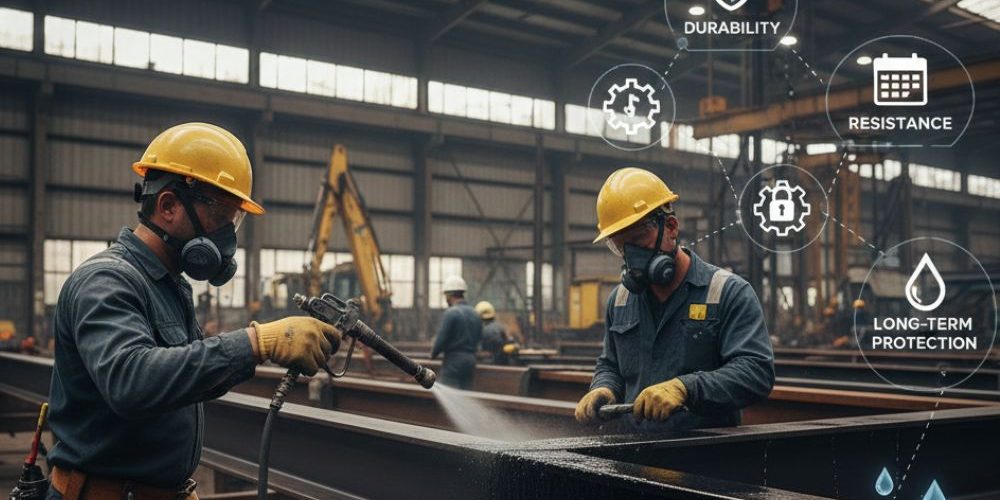
Steel is one of the most widely used materials in construction. Its strength, durability, and versatility make it ideal for buildings, bridges, industrial structures, and residential projects. However, despite its robust nature, steel is vulnerable to corrosion, especially when exposed to moisture, chemicals, or harsh environmental conditions. This is where waterproofing steel comes into play. Proper waterproofing not only extends the life of steel structures but also reduces maintenance costs and ensures safety.
In this blog, we’ll explore why waterproofing steel is essential, the methods available, and how professional services like Lakhwa Chemical Services can help achieve long-lasting protection.
Why Steel Needs Waterproofing
Steel corrodes when it comes in contact with water or moisture over time. This process, known as rusting, weakens the metal, causing it to lose strength and eventually fail. Rusting can affect both the exterior and interior steel components, depending on exposure. For instance, reinforced steel (rebar) used in concrete can corrode if water seeps into the concrete and reaches the metal, leading to structural damage.
Some common issues caused by water exposure to steel include:
-
Structural Weakness: Rust gradually eats away at steel, compromising its load-bearing capacity.
-
Aesthetic Damage: Rust stains and surface deterioration affect the appearance of steel structures.
-
Safety Hazards: Compromised steel can lead to accidents in buildings, bridges, and industrial structures.
-
Increased Maintenance Costs: Repairing corroded steel is expensive and time-consuming.
Given these risks, waterproofing steel is not optional; it’s a critical step in construction and maintenance.
Methods of Waterproofing Steel
There are several methods to protect steel from water and moisture. The choice of method depends on the type of steel, its use, environmental conditions, and budget. Here are some commonly used techniques:
1. Coating and Painting
One of the simplest ways to waterproof steel is by applying protective coatings. Paints and coatings create a barrier between the steel and moisture, preventing direct contact and reducing the risk of corrosion. Some options include:
-
Epoxy Coatings: These provide excellent adhesion and chemical resistance. They are commonly used for industrial steel structures exposed to harsh environments.
-
Polyurethane Coatings: Flexible and durable, these coatings offer protection against moisture, UV rays, and chemicals.
-
Zinc-Rich Paints: Zinc acts as a sacrificial metal, corroding first to protect the steel underneath.
While coating is effective, it requires regular inspection and maintenance to ensure the protective layer remains intact.
2. Galvanization
Galvanization is a process where steel is coated with a layer of zinc, either by hot-dipping or electroplating. This layer serves as a barrier to moisture and protects the steel from rusting. Galvanized steel is widely used in outdoor structures, fencing, roofing, and pipelines because of its long-term durability.
3. Waterproofing Membranes
For steel embedded in concrete, like rebar, waterproofing membranes are highly effective. These membranes prevent water penetration and protect steel from the corrosive effects of moisture. They can be applied as liquid coatings, sheets, or cementitious layers, depending on the project’s requirements.
4. Corrosion Inhibitors
Corrosion inhibitors are chemicals applied to steel surfaces or added to concrete to reduce corrosion. These chemicals form a protective layer on the steel, slowing down rust formation. Corrosion inhibitors are especially useful in environments exposed to saltwater or industrial chemicals.
5. Cathodic Protection
This is a more advanced method, often used in pipelines, tanks, and marine structures. Cathodic protection involves connecting the steel to a more easily corroded metal, called a sacrificial anode. This directs the corrosion to the anode instead of the steel, protecting the main structure.
Waterproofing Steel in Construction
In modern construction, waterproofing steel is not limited to just exposed metal. Reinforced concrete structures rely heavily on protecting embedded steel. Concrete may seem impermeable, but it can absorb water over time, allowing moisture to reach steel reinforcement. This can lead to cracking, spalling, and weakening of the entire structure.
To prevent this, builders use a combination of:
-
Quality Concrete Mixes: Low-permeability concrete reduces water penetration.
-
Waterproofing Admixtures: Chemicals added to concrete enhance its water resistance.
-
Surface Treatments: Protective coatings on exposed steel surfaces prevent rust formation.
Professional companies like Lakhwa Chemical Services specialize in providing chemical solutions for waterproofing steel in both concrete and standalone structures. Their expertise ensures that the methods used are suitable for the project and comply with industry standards.
Benefits of Professional Waterproofing Services
While DIY methods like painting and coating can work for small projects, large-scale construction demands professional expertise. Here’s why professional waterproofing services make a difference:
-
Expert Assessment: Professionals inspect the steel structure to identify areas at risk of corrosion. They determine the most suitable waterproofing method based on material, exposure, and budget.
-
High-Quality Materials: Companies like Lakhwa Chemical Services use industry-approved chemicals, coatings, and membranes that last longer and perform better than standard consumer-grade products.
-
Proper Application: Correct application techniques are crucial for waterproofing effectiveness. Professionals ensure even coverage and adherence to specifications.
-
Long-Term Protection: Professional solutions are designed to withstand environmental stress, reducing maintenance costs over time.
-
Safety Compliance: Industrial and commercial projects must meet safety and quality standards. Expert waterproofing services ensure compliance with local and international regulations.
Choosing the Right Waterproofing Method
Selecting the correct waterproofing method depends on several factors:
-
Environmental Exposure: Structures near water bodies or in humid regions require stronger protection.
-
Steel Type and Size: Large structural steel beams may need coatings or galvanization, while small components might benefit from chemical inhibitors.
-
Project Budget: Some methods, like cathodic protection, involve higher upfront costs but save money in the long term by preventing damage.
-
Maintenance Plan: Consider how easy it will be to inspect and maintain the waterproofing over the years.
Consulting experienced providers like Lakhwa Chemical Services helps in choosing the right combination of methods to maximize durability and minimize costs.
Common Mistakes to Avoid
Even with the best waterproofing products, mistakes during application can compromise protection. Common pitfalls include:
-
Surface Contamination: Dirt, grease, or rust left on steel before coating can prevent proper adhesion.
-
Improper Layer Thickness: Applying too thin a coating reduces effectiveness, while too thick can cause cracking.
-
Ignoring Maintenance: Protective layers need inspection and occasional touch-ups to remain effective.
-
Using Wrong Chemicals: Not all corrosion inhibitors or coatings are compatible with every type of steel or environment.
Professional companies ensure these errors are avoided, guaranteeing a more reliable waterproofing solution.
Conclusion
Waterproofing steel is a critical step in ensuring the longevity and safety of any construction project. With the right techniques—ranging from coatings and galvanization to advanced chemical treatments and membranes—steel can remain strong and rust-free for decades.
Working with professional services like Lakhwa Chemical Services provides peace of mind. Their expertise in waterproofing solutions, high-quality materials, and adherence to industry standards ensures your steel structures are protected against corrosion, weathering, and environmental challenges.
Investing in proper waterproofing today saves significant maintenance costs and prevents structural failures in the future. Whether it’s for residential, commercial, or industrial projects, protecting steel against water damage is not just smart—it’s essential.
Faqs
-
Why is waterproofing steel important?
Waterproofing prevents rust, extends the lifespan of steel, and protects structures from structural damage and safety hazards. -
What are common methods of waterproofing steel?
Coatings, galvanization, waterproof membranes, corrosion inhibitors, and cathodic protection are widely used methods. -
Can reinforced steel in concrete be waterproofed?
Yes, using admixtures, surface treatments, or membranes to prevent water from reaching embedded steel. -
How often should waterproofed steel be maintained?
Regular inspections are recommended, typically every 1–3 years, depending on exposure and environmental conditions. -
What makes professional services like Lakhwa Chemical Services better?
They provide expert assessment, high-quality chemicals, proper application, and long-term protection tailored to each project. -
Is galvanization better than coatings for outdoor steel?
Galvanization provides longer-lasting protection in harsh environments, though coatings are suitable for smaller structures or maintenance-friendly solutions.