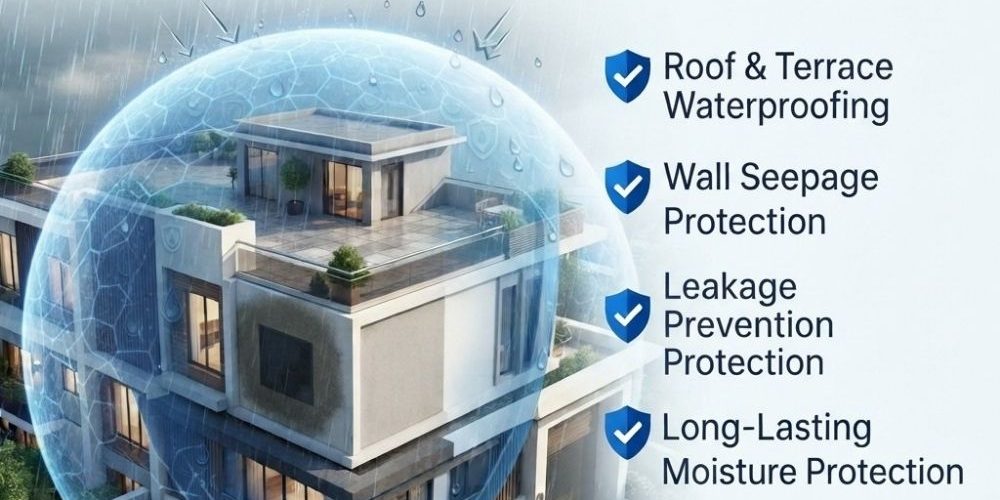
Clifton is one of Karachi’s most sought-after residential and commercial areas, known for its beachfront proximity, upscale homes, and high-rise buildings. But that same coastal location brings a unique challenge: constant exposure to salty sea air, humidity, and monsoon rain that can accelerate water damage far faster than in inland parts of the city. For property owners in Clifton, professional waterproofing isn’t just about comfort — it’s essential protection against a climate that actively works against untreated concrete and masonry. This guide covers everything homeowners and building managers in Clifton need to know about choosing the right waterproofing service.
Why Clifton Properties Face Unique Waterproofing Challenges
Clifton’s location along the coastline exposes buildings to conditions that inland neighborhoods simply don’t deal with to the same degree.
Coastal Salt Air and Accelerated Corrosion
Salt-laden sea breeze speeds up the corrosion of exposed rebar and concrete surfaces, which means untreated cracks in Clifton properties tend to worsen faster than similar damage elsewhere in Karachi.
High Humidity Levels Year-Round
Even outside monsoon season, Clifton’s proximity to the sea keeps ambient humidity elevated, creating persistent conditions for dampness and mold growth in poorly sealed basements, bathrooms, and ground-floor units.
High-Rise and Multi-Unit Building Exposure
Clifton’s concentration of apartment towers and multi-story buildings means water damage in one unit can often trace back to roof or exterior wall failures affecting multiple floors, making building-wide waterproofing assessments especially important.
Common Waterproofing Problems in Clifton Homes and Buildings
Roof and Terrace Water Seepage
Flat roofs and terraces, common in Clifton’s residential architecture, are highly prone to ponding water and seepage if waterproofing membranes have degraded or were never properly installed.
Basement and Ground Floor Dampness
Properties with basements or ground-floor units close to sea level often experience rising dampness, especially in older buildings without modern damp-proof course installation.
Bathroom and Wet Area Leakage
Tile and Grout Failure
Cracked grout lines and aging tile seals are a leading cause of slow, hidden leaks that damage walls and flooring long before visible symptoms appear.
Plumbing Line Seepage
Aging or poorly sealed plumbing penetrations through floors and walls are another common source of persistent bathroom leakage in older Clifton properties.
Exterior Wall and Balcony Seepage
Balconies and exterior walls facing direct sea exposure often show water staining and paint peeling first, serving as an early warning sign of deeper waterproofing failure.
Waterproofing Solutions Suited for Clifton’s Climate
Roof Waterproofing Membranes
Given the flat-roof design common across Clifton, membrane-based waterproofing systems — whether bitumen, polyurethane, or PVC/TPO sheet membranes — offer the strongest protection against both heat cycling and monsoon rainfall.
Basement and Foundation Waterproofing
External Damp-Proofing
Applied to the exterior foundation walls before backfilling, external damp-proofing creates a barrier against groundwater and rising damp for below-grade spaces.
Internal Sealants and Injection Systems
For existing buildings where external access isn’t practical, internal waterproofing sealants and crack-injection systems offer an effective alternative to stop active seepage.
Bathroom and Wet Area Waterproofing
Modern bathroom waterproofing involves sealing the entire wet area — floor, wall junctions, and plumbing penetrations — with a waterproof membrane before tiling, rather than relying on tile grout alone to keep water out.
Exterior Wall and Balcony Sealants
Specialized elastomeric coatings and sealants designed for coastal exposure help protect exterior walls and balconies from the combined effects of salt air, UV exposure, and rain.
Choosing a Waterproofing Company in Clifton
Look for Coastal Climate Experience
Because Clifton’s conditions differ from inland Karachi neighborhoods, ask potential providers specifically about their experience working on properties exposed to sea air and higher humidity levels.
Verify Material Quality and Chemical Grade
Spotlight: LCS Waterproofing
One provider addressing this need is LCS Waterproofing, offering professional waterproofing solutions for homes and buildings across Karachi, including coastal and high-exposure areas like Clifton. Their services typically cover roof, basement, bathroom, and exterior wall waterproofing using chemical-grade treatments designed to hold up against both heat and moisture challenges. For Clifton property owners specifically, working with a provider experienced in coastal-condition waterproofing — rather than a general contractor — can make a meaningful difference in how long a treatment actually lasts.
Ask for a Site Assessment Before Quoting
A reliable waterproofing company will send a technician to physically inspect roof condition, existing cracks, and drainage patterns before providing an accurate quote, rather than pricing over the phone.
Confirm Warranty Terms in Writing
Ask specifically what warranty period applies to the treatment being proposed, and get it in writing — reputable providers typically offer multi-year coverage on properly applied waterproofing systems.
Comparing Waterproofing Solutions for Clifton Properties
| Solution Type | Best For | Typical Lifespan | Coastal Suitability |
|---|---|---|---|
| Membrane Roof Waterproofing | Flat roofs & terraces | 8–15 years | Excellent |
| External Damp-Proofing | Basements & foundations | 10–15 years | Excellent |
| Internal Crack Injection | Existing structures, hidden leaks | 5–10 years | Good |
| Bathroom Wet Area Membranes | Bathrooms & wet zones | 8–12 years | Excellent |
| Exterior Elastomeric Coatings | Balconies & exterior walls | 5–8 years | Very Good |
The Waterproofing Process for Clifton Homes and Buildings
Step 1: Property Inspection
A thorough assessment identifies existing damage, moisture sources, and priority areas before any treatment plan is finalized.
Step 2: Surface Preparation and Repair
All cracks, loose material, and damaged sections are cleaned and repaired to create a stable base for waterproofing application.
Step 3: Primer and Base Layer Application
A bonding primer ensures the waterproofing material adheres properly to concrete or masonry surfaces before the main treatment layer is applied.
Step 4: Waterproofing Membrane or Coating Application
Depending on the area being treated, membranes are torched, rolled, or sprayed on, or specialized coatings are applied in multiple layers for full coverage.
Step 5: Drainage and Edge Sealing Check
Roof drains, balcony edges, and wall junctions receive extra attention, since these points are the most common failure locations if left improperly sealed.
Step 6: Final Inspection and Testing
A completed job typically includes a water test to confirm proper drainage and verify there are no missed spots before the project is signed off.
Signs Your Clifton Property Needs Waterproofing Now
Visible Water Stains or Paint Peeling
Discoloration on ceilings, walls, or balconies is often the first visible sign that water is penetrating from above or through an exterior surface.
Persistent Musty Odors
A lingering damp smell, particularly in ground-floor rooms or bathrooms, usually indicates trapped moisture within walls or flooring.
Rising Dampness Near Floor Level
Damp patches that seem to start near the floor and creep upward on walls are a classic sign of rising dampness, common in ground-floor units close to sea level.
Frequently Asked Questions
Why does Clifton need different waterproofing solutions than other Karachi areas?
Clifton’s coastal location exposes properties to salt air and consistently higher humidity, which accelerates concrete corrosion and moisture-related damage compared to more inland neighborhoods.
How often should waterproofing be reapplied in coastal areas like Clifton?
This depends on the treatment type, but coastal exposure can shorten typical lifespans by a few years compared to inland applications, making periodic inspection every few years a good practice.
Can waterproofing fix an existing leak, or only prevent future ones?
Modern waterproofing systems, including crack injection and membrane applications, can address active leaks as well as prevent future seepage when applied correctly by an experienced provider.
Is bathroom waterproofing necessary if tiles look fine?
Yes — tile surfaces can look intact while grout lines or underlying membrane have already failed, allowing slow leaks to develop unnoticed until they cause visible ceiling or wall damage.
Final Thoughts
Clifton’s coastal location makes professional waterproofing a genuine necessity rather than an optional upgrade, given the accelerated wear salt air and humidity place on roofs, basements, and exterior walls. Providers such as LCS Waterproofing, offering treatments suited to coastal exposure across homes and buildings, represent the kind of specialized approach Clifton properties benefit from most. Before committing to any provider, insist on a proper site assessment, ask for warranty terms in writing, and compare at least two or three quotes — a well-executed waterproofing job now can save years of costly repairs down the line.