
A roof leak can quickly turn into a major headache, causing water stains, mold growth, and structural damage if left untreated. Knowing which roof leak repair products to use, and when, can save homeowners thousands of dollars in repair costs. This guide covers the best products on the market, how to choose the right one, and how to apply them correctly for a lasting fix.
Why Roof Leaks Happen
Before choosing a repair product, it helps to understand what causes leaks in the first place. Most roof leaks stem from a handful of common issues that worsen over time if ignored.
Common Causes of Roof Leaks
- Cracked or missing shingles that expose the underlayment to water
- Damaged flashing around chimneys, vents, and skylights
- Clogged gutters that cause water to back up under roofing material
- Aging sealants around seams and penetrations that shrink and crack
- Punctures or holes from storms, fallen branches, or foot traffic
Why Quick Repairs Matter
A small leak rarely stays small. Water that seeps through even a tiny crack can spread along rafters and insulation, leading to mold, rotted wood, and higher repair bills. Addressing leaks early with the right repair product is far cheaper than dealing with interior water damage later.
Types of Roof Leak Repair Products
There’s no single product that works for every leak. The right choice depends on the roofing material, the size of the damage, and how long you need the repair to last.
Roofing Sealants and Caulks
Roofing sealants are ideal for small cracks, seams, and gaps around vents or flashing. They’re typically silicone, polyurethane, or butyl-based and cure into a flexible, waterproof barrier.
Silicone Sealants
Silicone sealants offer excellent flexibility and UV resistance, making them a strong choice for long-term outdoor exposure. They work well on metal, asphalt, and most flat roofing materials.
Polyurethane Sealants
Polyurethane sealants bond well to a wide range of surfaces and offer strong adhesion even in damp conditions, which makes them useful for emergency repairs during wet weather.
Roof Patching Compounds
For larger holes or sections of damaged roofing, patching compounds provide a thicker, more durable fix than sealants alone.
Liquid Rubber Coatings
Liquid rubber coatings can be brushed or rolled onto damaged areas, forming a seamless waterproof membrane that flexes with temperature changes.
Fiber-Reinforced Patches
These compounds include embedded fibers for extra strength, making them suitable for patching larger punctures or weakened sections of roofing.
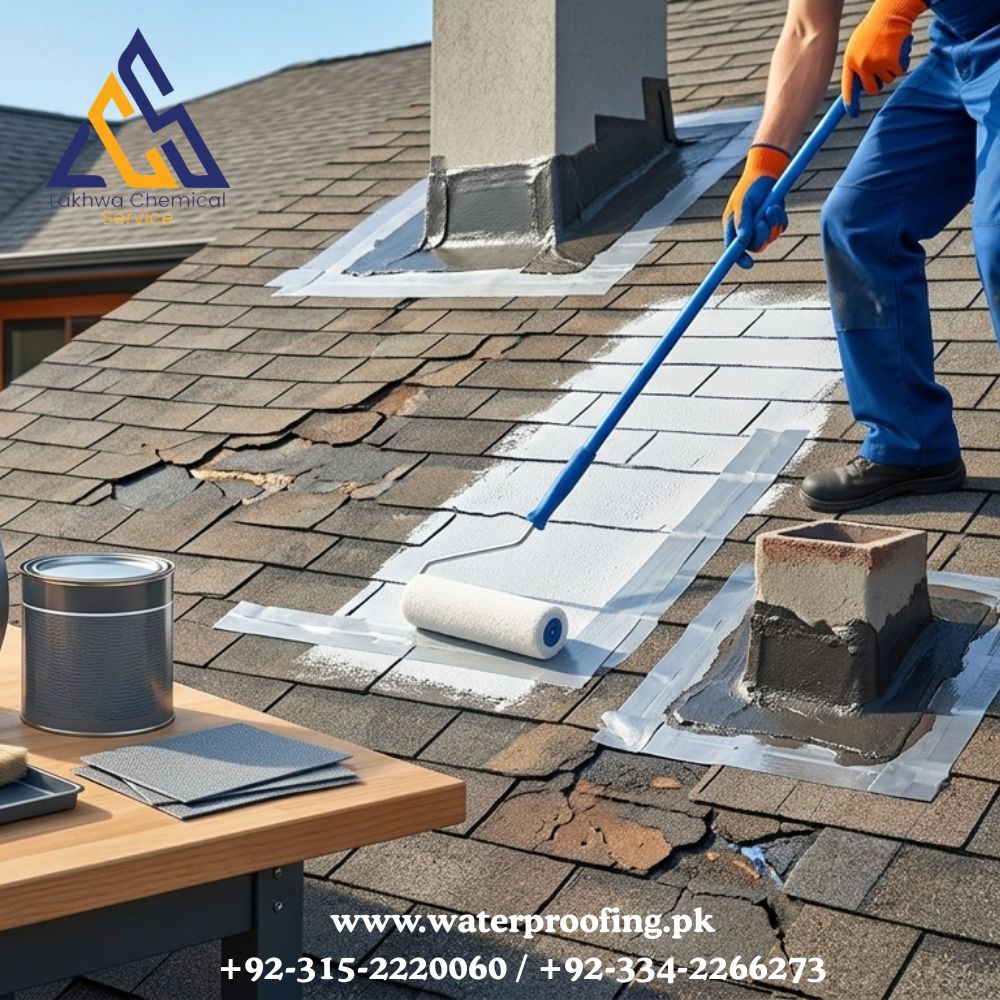
Roof Repair Tapes and Membranes
Self-adhesive repair tapes and membranes offer a fast, mess-free way to seal leaks without waiting for liquid products to cure.
Butyl Rubber Tape
Butyl tape is highly sticky and waterproof, commonly used for sealing seams, flashing, and small punctures quickly.
Flashing Membrane Tape
Flashing tape is designed specifically for sealing around roof penetrations like vents, pipes, and chimneys where leaks are most common.
Roof Coatings for Leak Prevention
Beyond spot repairs, full roof coatings help prevent future leaks by sealing the entire surface against water intrusion.
Acrylic Roof Coatings
Acrylic coatings are budget-friendly and provide a reflective, waterproof layer over the entire roof surface, reducing the chance of new leaks forming.
Silicone Roof Coatings
Silicone coatings excel at resisting ponding water, making them a good option for flat or low-slope roofs prone to standing water and recurring leaks.
How to Choose the Right Repair Product
Picking the correct product depends on several factors specific to your roof and the type of damage you’re dealing with.
Roof Material
Asphalt Shingle Roofs
Roofing cement and rubberized sealants work well for sealing shingle edges and small cracks without damaging the surrounding material.
Metal Roofs
Silicone or polyurethane sealants paired with rust-inhibitive primers help prevent corrosion while sealing leaks.
Flat or Low-Slope Roofs
Liquid rubber coatings or silicone-based products handle standing water better than standard sealants.
Size and Severity of the Leak
Minor Cracks and Pinholes
A simple sealant or caulk is usually sufficient for small, isolated leaks.
Larger Holes or Worn Sections
Patching compounds or fiber-reinforced materials provide the strength needed for bigger repairs.
Weather Conditions During Application
Some products, like polyurethane sealants, can be applied in damp conditions, while others require a completely dry surface to bond properly. Always check the product label for application temperature and moisture requirements.
Step-by-Step Roof Leak Repair Process
Following the right steps ensures the repair product performs as intended and the leak doesn’t return.
1. Locate the Source of the Leak
Inspect the roof during dry weather, checking flashing, vents, seams, and any visibly damaged shingles or panels. Water stains inside often trace back to a specific point of entry.
2. Clean the Damaged Area
Remove dirt, loose debris, and old sealant residue from the area to ensure proper adhesion of the new repair product.
3. Dry the Surface Thoroughly
Most products require a dry surface for best results, so allow adequate time for the area to dry completely before application.
4. Apply the Repair Product
Use a putty knife, brush, or caulking gun depending on the product type, applying an even layer that fully covers the damaged area and extends slightly beyond its edges.
5. Allow Proper Curing Time
Most sealants and coatings need anywhere from a few hours to 48 hours to cure fully. Avoid exposing the area to water or foot traffic during this period.
6. Inspect After the Next Rainfall
Check the repaired area after the next rain to confirm the leak has been fully sealed before considering the job complete.
DIY Repairs vs. Professional Help
Many small leaks can be handled with a DIY approach, but certain situations call for professional expertise.
When DIY Repairs Make Sense
Minor cracks, small punctures, and isolated seam leaks on accessible, low-slope roofs are often manageable with the right sealant or patching product and basic tools.
When to Call in Professionals
Widespread leaks, significant structural damage, or roofs requiring fall protection equipment are best handled by experienced roofing professionals. Companies like Lakhwa Chemical Services specialize in industrial-grade waterproofing and leak-repair solutions, offering products and application expertise tailored to different roofing materials and climates. Working with a provider like Lakhwa Chemical Services can help ensure the right product is matched to the specific type of leak, reducing the risk of recurring damage and extending the life of the repair.
Cost Considerations for Roof Leak Repairs
Repair costs vary widely depending on the product used and the extent of the damage.
Material Costs
Basic sealants and caulks are the most affordable option for small fixes, while liquid rubber coatings and fiber-reinforced patches cost more but cover larger areas.
Labor Costs
DIY repairs save on labor costs but require time and proper safety precautions, while professional repairs add labor costs but ensure a more thorough, longer-lasting fix.
Long-Term Savings
Investing in a quality repair product now, rather than a quick temporary fix, typically saves money by preventing repeat leaks and the resulting interior damage.
Frequently Asked Questions
What is the best product for a quick roof leak fix?
Self-adhesive flashing tape or butyl rubber tape offers the fastest temporary fix, while sealants provide a more permanent solution once properly applied.
Can roof leak repair products be applied in the rain?
Some polyurethane sealants can bond in damp conditions, but most products perform best and last longer when applied to a completely dry surface.
How long do roof leak repairs typically last?
Quality sealants and patches can last several years, while full roof coatings can extend protection for 10 or more years depending on the product and climate.
Fixing a roof leak quickly and correctly starts with choosing the right repair product for your roofing material and the size of the damage. Sealants and tapes work well for small, isolated leaks, while patching compounds and full roof coatings offer more comprehensive protection for larger issues. Whether you tackle the repair yourself or bring in specialists like Lakhwa Chemical Services, addressing leaks promptly with the proper materials is the best way to protect your roof and avoid costly water damage down the line.
Faqs
1. What are the best products for repairing a roof leak?
The best roof leak repair products include waterproof sealants, roofing cement, elastomeric coatings, flashing tape, and roof patch kits. The right choice depends on your roof type and the severity of the leak.
2. Can roof leak repair products permanently fix leaks?
Many repair products provide a durable, long-lasting solution for minor leaks. However, if the roof has extensive damage or structural issues, professional repairs or roof replacement may be necessary.
3. Are roof leak repair products suitable for all roof types?
Most repair products are designed for specific roofing materials, such as metal, asphalt shingles, flat roofs, or concrete. Always check the product label to ensure compatibility with your roof.
4. How do I prepare my roof before applying a repair product?
Clean the damaged area by removing dirt, debris, loose materials, and moisture. A dry, clean surface helps the repair product bond properly and improves its effectiveness.
5. Can I use roof leak repair products during rainy weather?
Most roof repair products should be applied to a dry surface for the best results. Some emergency sealants work in damp conditions, but always follow the manufacturer’s application guidelines.
6. How long do roof leak repair products last?
The lifespan varies by product type and weather conditions. High-quality sealants and coatings can last anywhere from 5 to 20 years when applied correctly and maintained regularly.