Waterproofing is one of the most critical aspects of building construction and maintenance, especially in cities like Karachi. With high humidity, heavy monsoon rains, coastal air, and rising temperatures, water damage is a persistent challenge for homeowners, commercial property owners, and industrial facilities alike. From leaking roofs to damp basements, failing to waterproof properly can lead to structural deterioration, mold, and expensive repairs.
Among the many waterproofing options available today, liquid waterproofing has emerged as one of the most versatile, effective, and widely recommended solutions. In this blog, we’ll explore what liquid waterproofing is, how it works, its advantages, applications, and why it is often the best choice for buildings in Karachi.
What Is Liquid Waterproofing?
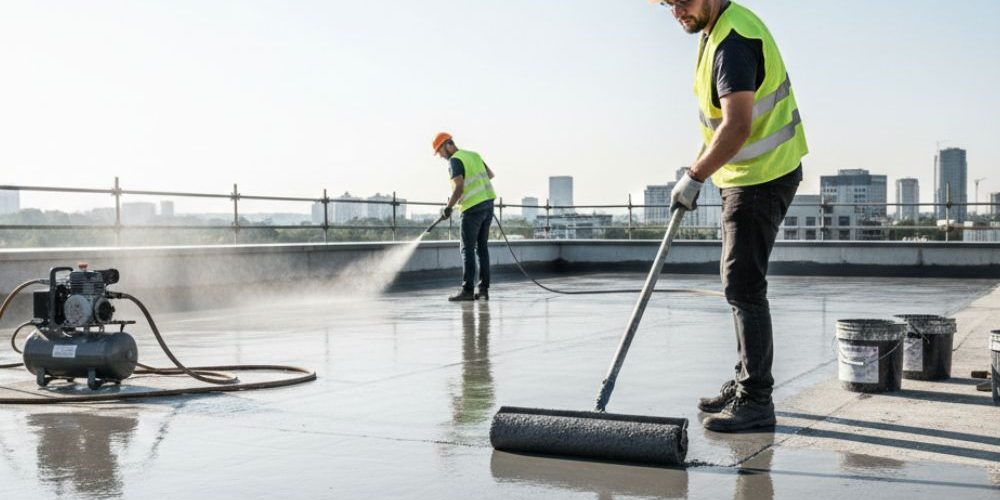
Liquid waterproofing involves the application of a liquid coating that cures to form a seamless, flexible, and durable waterproof membrane. Unlike sheet membranes that come in rolls, liquid waterproofing is applied using brushes, rollers, or spray equipment, allowing it to adapt perfectly to any surface shape or texture.
Depending on the product, liquid waterproofing can be polyurethane-based, acrylic-based, or polymer-modified cementitious. Once cured, it forms a continuous barrier that prevents water from penetrating concrete, masonry, or other surfaces.
How Liquid Waterproofing Works
The principle behind liquid waterproofing is simple but highly effective. When applied, the liquid material:
-
Fills pores and micro-cracks on the surface
-
Creates a seamless coating that covers corners, joints, and edges
-
Forms a flexible barrier that expands and contracts with the building’s movements
-
Prevents water seepage while allowing the structure to breathe
This flexibility is particularly important in Karachi, where concrete structures often experience minor cracking due to heat, humidity, or settling.
Key Advantages of Liquid Waterproofing
Liquid waterproofing offers several benefits that make it an ideal solution for modern buildings:
1. Seamless and Flexible
Unlike sheet membranes, which may have joints that can fail over time, liquid waterproofing forms a completely seamless layer. It can also stretch and contract, bridging small cracks without losing its effectiveness.
2. Easy to Apply on Irregular Surfaces
Roofs with parapets, terraces, balconies, water tanks, or curved surfaces can be challenging for sheet membranes. Liquid waterproofing adapts to any shape, providing consistent protection.
3. Durable and Weather-Resistant
High-quality liquid waterproofing systems are UV resistant, able to withstand extreme heat, monsoon rains, and humidity. This makes them particularly suitable for Karachi’s climate.
4. Low Maintenance
Once applied, liquid waterproofing requires minimal maintenance. Occasional inspections to check for surface damage or blocked drainage are usually sufficient.
5. Cost-Effective Over Time
While the initial cost may be slightly higher than some traditional coatings, liquid waterproofings often proves more cost-effective in the long run due to its durability and reduced repair needs.
6. Environmentally Friendly Options
Many modern liquid waterproofing products are water-based and low in VOCs, making them safer for workers and the surrounding environment.
Applications of Liquid Waterproofing
Liquid waterproofings is highly versatile and can be used in multiple areas of a building:
-
Terraces and Flat Roofs: Provides a durable, seamless barrier against rainwater.
-
Balconies and Podiums: Flexible coating bridges joints and prevents leaks.
-
Basements: Protects against groundwater seepage when applied with proper primer.
-
Water Tanks: Ensures watertight containment of potable or storage water.
-
Bathrooms and Wet Areas: Prevents water damage behind tiles and in showers.
-
Industrial Areas: Protects floors, storage areas, and plant surfaces from chemical and water exposure.
This wide range of applications is one of the reasons liquid waterproofing is becoming a preferred choice in Karachi.
Types of Liquid Waterproofing
There are several types of liquid waterproofing solutions available, each suitable for different needs:
1. Polyurethane Liquid Membrane
Polyurethane-based coatings are highly flexible, UV resistant, and ideal for exposed roofs and terraces. They provide excellent protection against rainwater and heat.
2. Acrylic Liquid Coatings
Acrylic coatings are water-based, easy to apply, and offer moderate flexibility. They are suitable for terraces and interior surfaces but may not be as durable under heavy foot traffic or extreme weather.
3. Polymer-Modified Cementitious Coatings
These coatings combine cement with polymer additives to create a waterproof layer. They adhere well to concrete and masonry surfaces, making them ideal for basements, water tanks, and internal wet areas.
Why Liquid Waterproofing Is Ideal for Karachi
Karachi presents unique environmental challenges for building owners:
-
Heavy Monsoon Rains: Buildings are exposed to intense water pressure during rainy season.
-
High Humidity: Constant moisture in the air penetrates concrete, causing dampness.
-
Coastal Air: Salt in the air accelerates corrosion and deterioration.
-
High Temperatures: Sun exposure can damage less resilient waterproofing systems.
Waterproofing meets these challenges effectively because it forms a seamless, UV-resistant, flexible barrier that prevents water ingress while accommodating minor structural movements.
Importance of Professional Application
Even the best liquid waterproofings material can fail if applied incorrectly. Common mistakes include:
-
Poor surface preparation
-
Uneven application or thin coats
-
Ignoring expansion joints or corners
-
Not allowing proper curing time
Professional contractors ensure that the surface is prepared, the coating is applied uniformly, and joints and edges are properly treated. Companies like Lakhwa Chemical Services in Karachi provide:
-
Expert assessment of the structure
-
Selection of the most suitable liquid waterproofings system
-
Skilled application and quality control
-
Guidance on maintenance to maximize lifespan
By using professionals, building owners can ensure that their waterproofing system performs effectively for years.
Maintenance Tips for Liquids Waterproofing
Although waterproofing is durable, periodic maintenance helps extend its life:
-
Inspect roofs, terraces, and balconies after heavy rains.
-
Clear drains and gutters to prevent water pooling.
-
Repair any minor surface damage immediately.
-
Avoid sharp tools or heavy objects that could puncture the coating.
-
Reapply protective coatings if necessary, depending on product recommendations.
With proper maintenance, liquid waterproofings can last 10–20 years or more, depending on the system used and the environmental conditions.
Common Mistakes to Avoid
To maximize the benefits of liquid waterproofing:
-
Don’t choose the material based on price alone.
-
Avoid DIY application on critical areas like roofs and basements.
-
Ensure surfaces are clean, dry, and free of contaminants before application.
-
Select a waterproofing system that matches the specific exposure and structural movement of your building.
By avoiding these mistakes, building owners can enjoy long-term protection and peace of mind.
Liquid Waterproofing vs Other Methods
| Feature | Liquid Waterproofing | Sheet Membranes | Cementitious Coatings |
|---|---|---|---|
| Seamless Coverage | Yes | No (joints) | Partial |
| Flexibility | High | Moderate | Low |
| Ideal Surfaces | Flat, irregular, vertical | Flat or low-slope | Vertical surfaces |
| UV Resistance | High (polyurethane) | Moderate | Low |
| Ease of Repair | Easy | Moderate | Moderate |
| Lifespan | 10–20 years | 15–25 years | 5–10 years |
Liquid waterproofing is particularly advantageous when flexibility, seamless application, and adaptability to complex surfaces are priorities.
Conclusion
For buildings in Karachi, where water damage, humidity, and heat are constant concerns, waterproofing provides a flexible, durable, and cost-effective solution. Its seamless application, adaptability to irregular surfaces, and long-term protection make it ideal for roofs, terraces, basements, water tanks, and wet areas.
However, the success of any waterproofing system depends on proper installation. Professional contractors like Lakhwa Chemical Services ensure high-quality application, material selection, and maintenance guidance, maximizing the lifespan and performance of the waterproofing system.
Investing in liquid waterproofing is not just about preventing leaks—it is about protecting your building, extending its life, and avoiding costly repairs. For modern constructions and renovations in Karachi, liquid waterproofings is often the most reliable choice.
Faqs
1. What is liquid waterproofing?
It is a liquid coating that forms a flexible, seamless membrane to prevent water penetration in roofs, basements, and terraces.
2. Where can liquids waterproofing be applied?
It can be used on flat roofs, terraces, balconies, basements, water tanks, and wet areas like bathrooms.
3. How long does liquids waterproofing last?
With proper installation and maintenance, it typically lasts 10–20 years depending on the product and exposure.
4. Why is liquid waterproofing suitable for Karachi?
It resists monsoon rains, high humidity, UV exposure, and minor structural movement, making it ideal for local conditions.
5. What types of liquid waterproofing are available?
Common types include polyurethane, acrylic, and polymer-modified cementitious coatings.
6. Does liquid waterproofing require maintenance?
Yes. Regular inspections, clearing drainage, and repairing minor damage help extend its lifespan.